 |
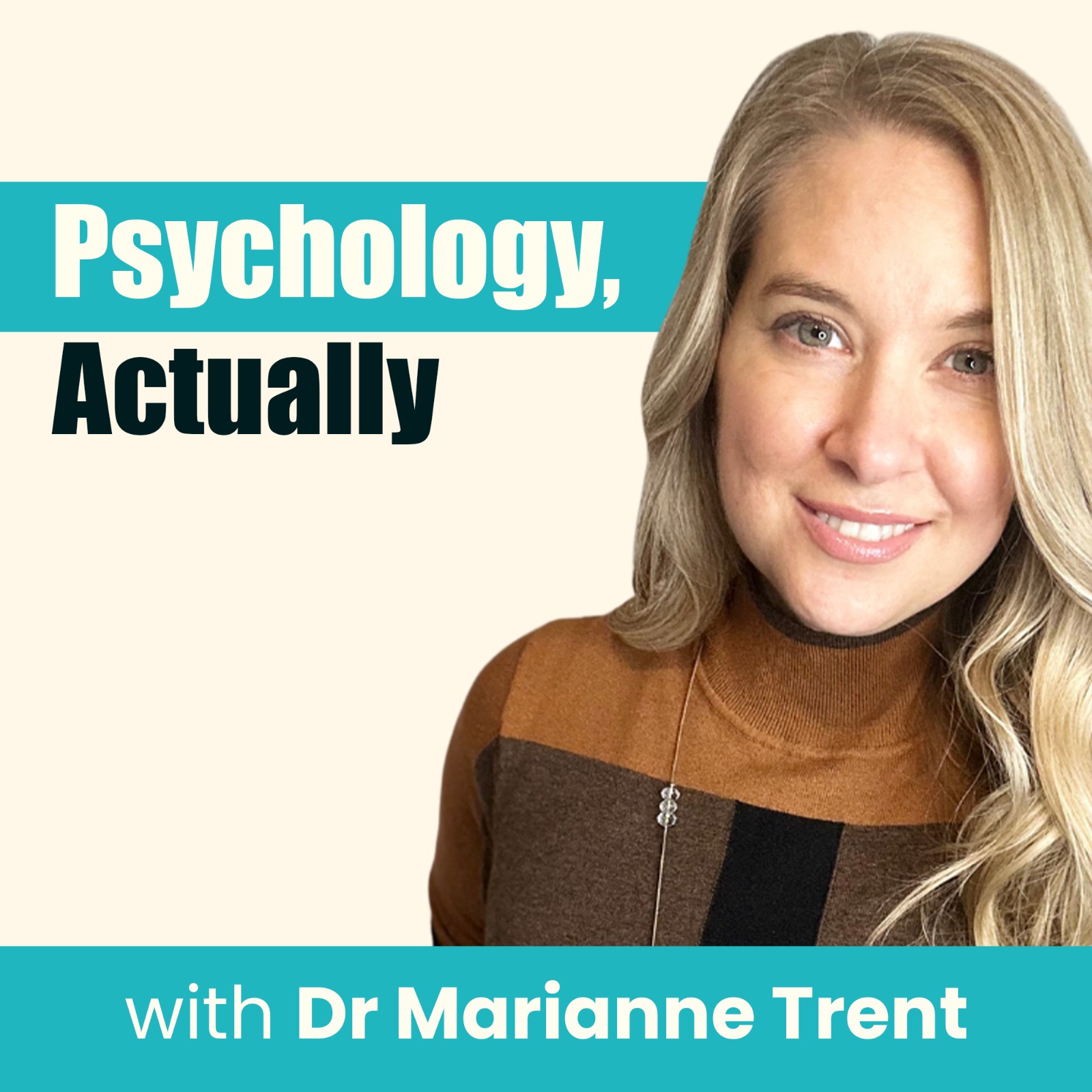
Psychology, ActuallyReal conversations about the psychology shaping our lives, work, and relationships Author: Dr Marianne Trent
Psychology, Actually with Dr Marianne Trent is a podcast about whats really going on beneath the surface of our lives. Through conversations with psychologists, professionals, and inspiring guests, we explore the psychology shaping our work, our relationships, and our inner worlds bringing together clinical insight with genuine human understanding. This show was previously known as The Aspiring Psychologist Podcast, and while it continues to support aspiring and qualified psychologists, it has grown into something broader. Because psychology doesnt just shape our careers, it influences how we parent, how we grieve, how we connect, and how we cope when life doesnt go to plan. Alongside expert interviews, Dr Marianne Trent shares reflective solo episodes - making sense of complex human experiences with compassion, curiosity, and clarity. Featuring conversations with leading voices in psychology including Professor Paul Gilbert, Dr Lucy Johnstone, and Dr Martha Deiros Collado - the podcast brings together a range of perspectives on what it means to live, work, and think psychologically. New episodes are released every Monday at 6am (UK time). Whether youre an aspiring psychologist, a qualified practitioner, or simply someone interested in understanding yourself and others more deeply, this podcast offers thoughtful conversations that stay with you. If you value the show please rate and review on Apple Podcasts or Spotify. Language: en Genres: Health & Fitness, Mental Health, Science, Social Sciences Contact email: Get it Feed URL: Get it iTunes ID: Get it Trailer: |
Listen Now...
Why Psychopaths Are So Charming (And Why That's Dangerous)
Episode 247
Sunday, 30 August, 2026
Could you spot a psychopath before it's too late, or does their charm switch off the very part of your brain that would warn you?In this episode of Psychology, Actually, Dr Marianne Trent is joined by Dr Emma Kavanagh to explore the psychology of psychopathy, why charismatic people can trigger the "guru effect" in our brains, and how love bombing, gaslighting, and trauma bonding trap people in damaging relationships. Emma, author of The Psychopath Effect, explains the real traits behind psychopathy, meanness, boldness, and disinhibition and why psychopaths are far more likely to be charming colleagues or partners than violent criminals. They discuss what it's like growing up with a psychopathic parent, how psychopaths behave differently depending on your value to them, and the subtle nonverbal signals that can give them away. A fascinating, myth-busting conversation for anyone interested in psychology, relationships, and personal safety.#Psychopathy #Psychology #LoveBombing00:00 Introduction00:37 Psychopathy myth vs fact quickfire round01:51 What is the Psychopath Effect?05:37 Why subclinical psychopathic traits affect everyone07:34 Growing up with a psychopathic parent11:37 Setting boundaries as an adult child14:10 Why individuation threatens psychopaths17:03 Can you spot a psychopath immediately?20:32 The "guru effect" and charisma on the brain22:54 Warning signs and interpersonal space23:54 Why psychopaths can be selectively empathic25:24 Upward licking, downward kicking at work25:55 Hand gestures, cognitive load and persuasion29:31 Nonverbal cues: the Duchenne smile31:35 Psychopathy, personality disorders and diagnosis37:09 Love bombing explained41:41 Recognising patterns in true crime documentaries45:35 Quickfire: common myths about psychopathy46:09 Why it's hard to leave a psychopathic partner46:57 Understanding trauma bonding50:22 Why psychopaths can't sustain kindness52:39 Where to find Dr Emma Kavanagh 📚 Get your copy of The Psychopath Effect by Dr Emma Kavanagh: https://amzn.to/455qlUu Links:Connect with Dr Emma Kavanagh here: https://www.instagram.com/dremmakavanaghauthor/ 🫶 To join my podcast membership to get early access to episodes and support the show head to: https://the-aspiring-psychologist.captivate.fm/support or to the Apple Podcasts App: https://podcasts.apple.com/gb/podcast/the-aspiring-psychologist-podcast/id1605628278 or to YouTube: https://www.youtube.com/channel/UCOwjrIP_jatiqlAivJE2mgQ/join📚 To check out The Clinical Psychologist Collective Book: https://amzn.to/3jOplx0📖 To check out The Aspiring Psychologist Collective Book: https://amzn.to/3CP2N97💡 To check out or join the aspiring psychologist membership for just £30 per month head to: https://www.aspiring-psychologist.co.uk/membership🖥️ Check out my short courses for aspiring psychologists and mental health professionals here: https://www.aspiring-psychologist.co.uk/online-coursesAsk Marianne your most pressing psychology career question and she will send you a FREE bespoke reply! Grab your free psychology success guide here and fill in the most pressing concern box: https://www.aspiring-psychologist.co.uk (scroll to the bottom of the page)✍️ Get your FREE Supervision Shaping Tool now: https://www.aspiring-psychologist.co.uk/free-resources📱Connect socially with Marianne and check out ways to work with her, including the Aspiring Psychologist Book, Clinical Psychologist book and The Aspiring Psychologist Membership on her Link tree: https://linktr.ee/drmariannetrent💬 To join my free Facebook group and discuss your thoughts on this episode and more: https://www.facebook.com/groups/aspiringpsychologistcommunityLike, Comment, Subscribe & get involved:If you enjoy the podcast, please do subscribe and rate and review episodes.⚠️ DisclaimerThis content is for informational and educational purposes only. It does not constitute medical, psychological, or professional advice. Any actions taken based on this content are at your own risk.© Dr Marianne Trent