 |
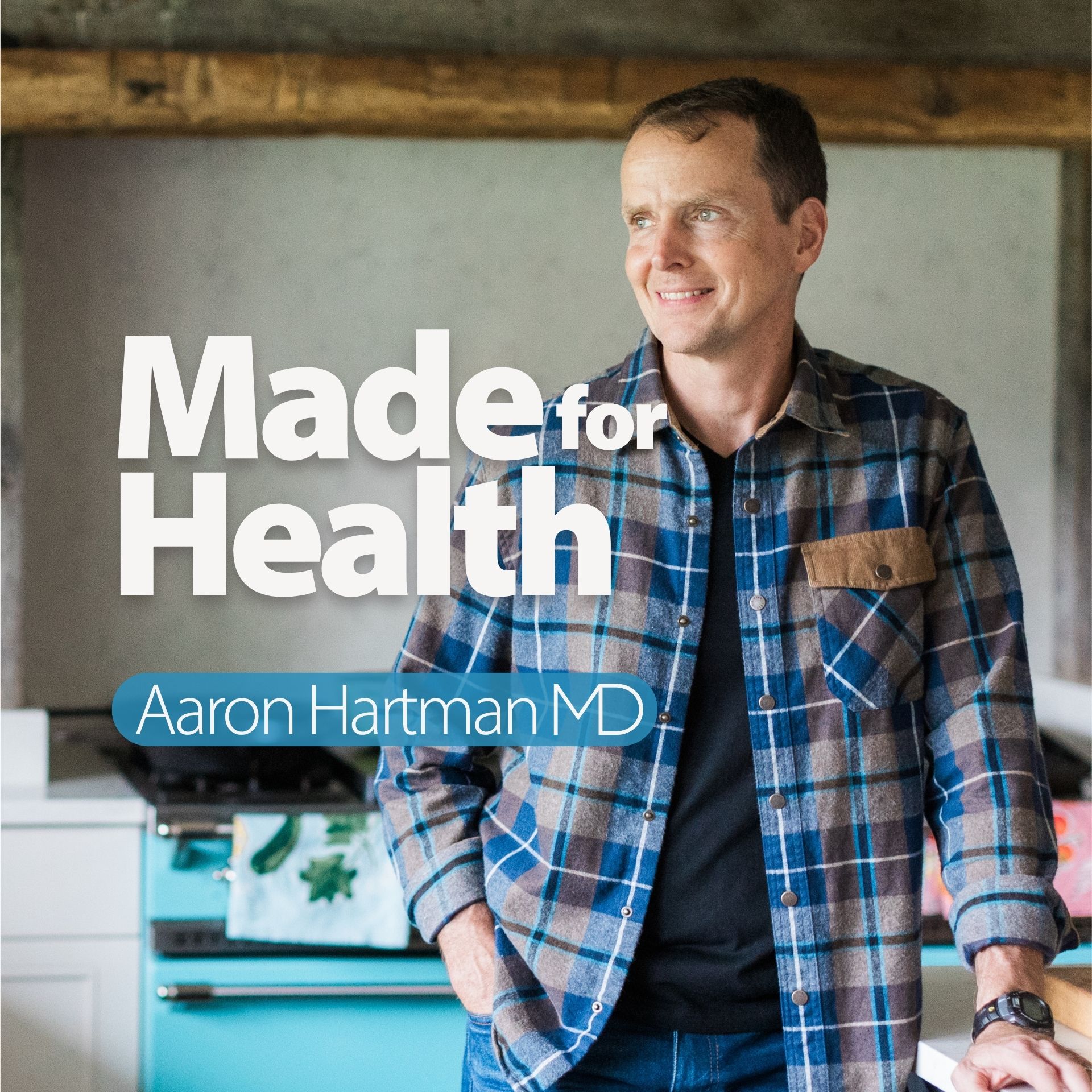
Made for Health | Medical Gaslighting | Lyme | Chronic Infections | Metabolic Syndrome | Insulin Resistance | Mystery IllnessAuthor: Aaron Hartman, MD
You were made for healthvibrant, thriving, and full of possibility. But navigating todays broken healthcare system, endless misinformation, and confusion can feel overwhelming. On Made for Health, Dr. Aaron Hartman cuts through the noise to deliver science-backed solutions that restore your health and reignite your hope. Join us each week for expert insights, practical tips, and inspiring conversations that empower you to harness your bodys incredible power to heal. Whether you're seeking clarity, direction, or just a trusted voice, this podcast is your roadmap to the vibrant life you were made for. Language: en Genres: Health & Fitness, Life Sciences, Medicine, Science Contact email: Get it Feed URL: Get it iTunes ID: Get it |
Listen Now...
Best of: Feel Dismissed by Doctors? – The Truth About Root-Cause Healing & Empowerment with Dr. Jill Carnahan | E172
Episode 172
Monday, 24 August, 2026
🎒 Back-to-school season brings new routines, new exposures, and new challenges for the whole family. Support your family this school year with targeted nutritional support designed with whole-person health in mind. Get 25% Off the Back-to-School BundleIn this episode of Made for Health, Dr. Aaron Hartman welcomes Dr. Jill Carnahan, a leading expert in functional and integrative medicine, for a powerful conversation about resilience, healing, and the root causes of chronic illness.Dr. Carnahan shares her deeply personal story—surviving breast cancer at 25, living with Crohn’s disease, and overcoming debilitating mold toxicity. These challenges became the catalyst for her shift from conventional to holistic, patient-centered care. Together, she and Dr. Hartman explore the connection between trauma, toxic exposures, belief systems, and spiritual healing in the path to true wellness.This is more than a medical discussion—it’s an invitation to reclaim your health through compassionate, root-cause medicine that honors both science and soul.✅ Show Highlights:Dr. Carnahan’s journey through cancer, autoimmune disease, and mold illnessWhy trauma and belief systems play a critical role in recoveryHow conventional medicine often overlooks root causesThe role of diet, detoxification, and the environment in healingHer shift from protocols to personalized, whole-person careThe impact of spirituality and mindset in chronic illness recoveryInsights from her new book and documentary🎯 Some Questions We Explore:How did Dr. Carnahan’s personal health battles shape her medical philosophy?What’s the connection between trauma, the immune system, and chronic disease?Why are environmental toxins often missed in conventional care?How can spiritual practices aid physical recovery?💡 In This Episode, You Will Learn:The importance of addressing trauma in healing complex illnessWhy belief, choice, and action are cornerstones of recoveryFunctional medicine tools for detox, gut healing, and immune regulationHow to become an empowered advocate for your own healthWhere to start if you feel dismissed or overlooked in traditional healthcare🌐 Resources & Links:Dr. Jill Carnahan – Official Website: https://www.jillcarnahan.comBook – Unexpected: Finding Resilience through Functional Medicine, Science, and Faith: Buy HereFollow Dr. Aaron Hartman and Richmond Integrative & Functional Medicine🌐 Website: https://richmondfunctionalmedicine.com/🎒 Back-to-School 2026: Back-to-School Bundle📺 YouTube: @AaronHartmanMDMentioned in this episode:Get Dr. Hartman's New Book - UnCURABLEIf you’ve been let down by the system, you’re not alone — and you’re not powerless. Dr. Hartmans wrote UnCURABLE to help you take back control of your health and your hope. Visit the link below ⬇️ to get your copy and start your transformation today.Get the new book UnCURABLE 25% Off Back to School Support for ParentsBack to school asks a lot of parents, too. Support your body through the season with three physician-reviewed, foundation-first essentials: Twice Daily Multi, Quercetin + Nettles, and NAC. For a limited time, save 25% on the Back to School Support Bundle. Visit the link below ⬇️ Shop the Back to School SaleBack to School Support for Parents25% Off Back to School Support for ParentsBack to school asks a lot of parents, too. Support your body through the season with three physician-reviewed, foundation-first essentials: Twice Daily Multi, Quercetin + Nettles, and NAC. For a limited time, save 25% on the Back to School Support Bundle. Visit the link below ⬇️ Shop the Back to School SaleBack to School Support for Parents