 |
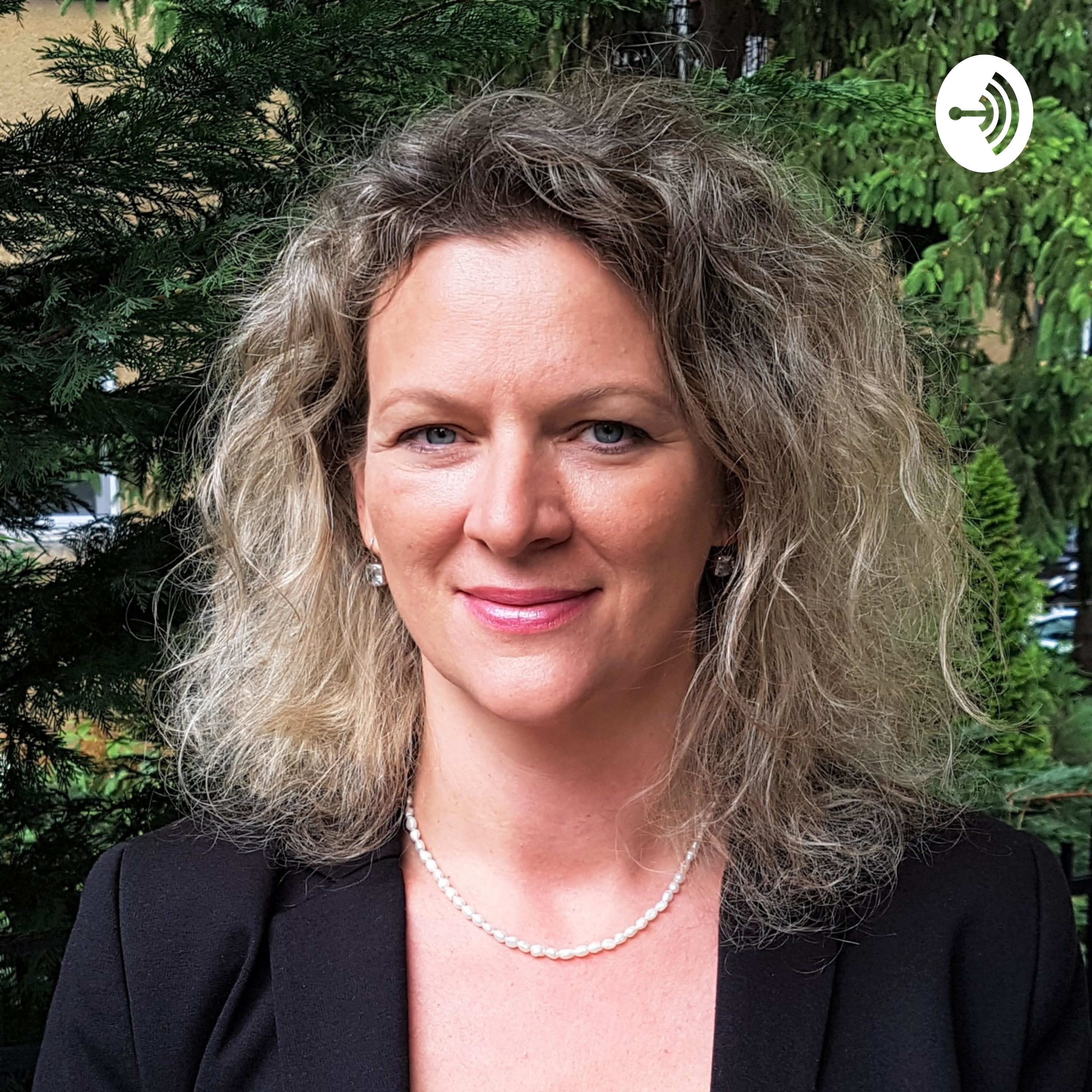
Eszter NagyAuthor: Nagy Eszter
In June 2020 I started to make interviews for an online radio. In my podcast I publish my favorite interviews and programs in order to make it available for broader audiences. I do interviews both in Hungarian and English in general related to European issues, and about Hungary in Europe. Language: en Contact email: Get it Feed URL: Get it iTunes ID: Get it |
Listen Now...
Trianon 100
Wednesday, 9 September, 2020
100 éves a Trianoni békeszerződés, mely Magyarországon mind a mai napig nemzeti traumaként él tovább. A podcast első részében az évforduló alkalmából Miklósi Lászlóval, a Történelem Tanárok Egylete elnökével beszélgetek arról, hogy hogyan kellene foglalkoznunk ezzel a történelmi eseménnyel, hogyan kellene az iskolákban tanítani, feldolgozni, és hogy mit üzen Trianon a XXI. századi magyarságnak. A podcast második részében Margaret McMillan kanadai történészprofesszorral beszélgetek angolul a Trianoni békeszerződésről, és arról, hogy egy kívülálló történészként hogyan értékeli ennek magyarországi kezelését. Beszélünk arról is, hogy mit tanácsol, hogyan tudnánk feldolgozni ezt a történelmi traumát. The Trianon peace treaty closing the first world war for Hungary, and diminishing its territory by 2/3 has happened a 100 years ago, but it is still considered a lively trauma for many Hungarians. In the first part of my podcast I interview László Miklósi, the president of the Association of teachers of History in Hungary about the historical background of the Trianon treaty. I ask him about how we should teach this historical event in the schools, and how we should handle this issue in general. In the second part of my podcast, you will hear an interview with Margaret McMillan, a Canadian professor of history, whom I asked about the historical circumstances of the Trianon peace treaty, whether the Hungarian leadership at that time could have done anything differently to reduce the losses. I also talk with her about the possible ways of better handling this historical event by the politicians, how to teach it in the schools, and how to reconcile with the memory of Trianon.