 |
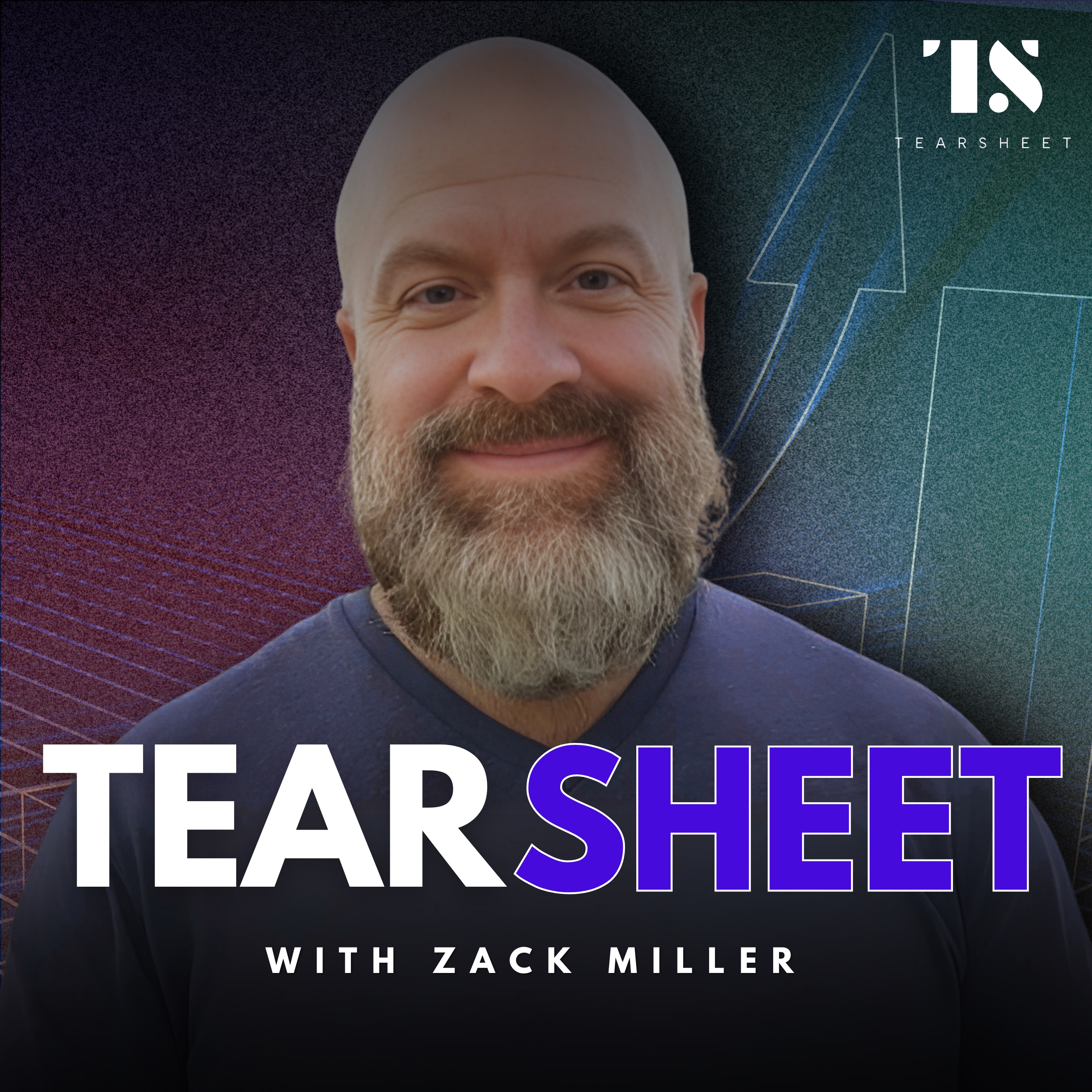
Tearsheet Podcast: Exploring Financial Services TogetherExploring Financial Services Together Author: Tearsheet Studios
Tearsheet is news, opinion, and analysis on the business of finance. Candid conversations with senior executives, fintech entrepreneurs, investors, industry experts -- all weigh in on the trends impacting the industry and the disruptive impact technology is having on the business. Where social media, technology and finance intersect. Language: en Genres: Business, Business News, News Contact email: Get it Feed URL: Get it iTunes ID: Get it |
Listen Now...
The bank account is the product: Slash's bet on vertical SMB banking
Wednesday, 20 May, 2026
Small business banking has always had a structural problem: the companies that hold your money and the companies that build your financial software have been two different things. One moves the money, the other tracks it, and small business owners are stuck in the gap between them. A new generation of fintechs has been trying to fix that, but most are still building horizontal tools for every business everywhere. The more interesting bet is vertical, going deep into the specific workflows of a particular industry and automating them completely. My guest today is Victor Cardenas, co-founder and CEO of Slash, a business banking platform that started with teenage sneaker resellers and has grown into a $1.4 billion company by doing exactly that — building industry-specific financial products that legacy banks will never prioritize. Slash processes nearly $3 billion in stablecoin payment volume annually, and the company has been doing serious work rethinking how AI fits into both how they operate internally and what their customers experience.