 |
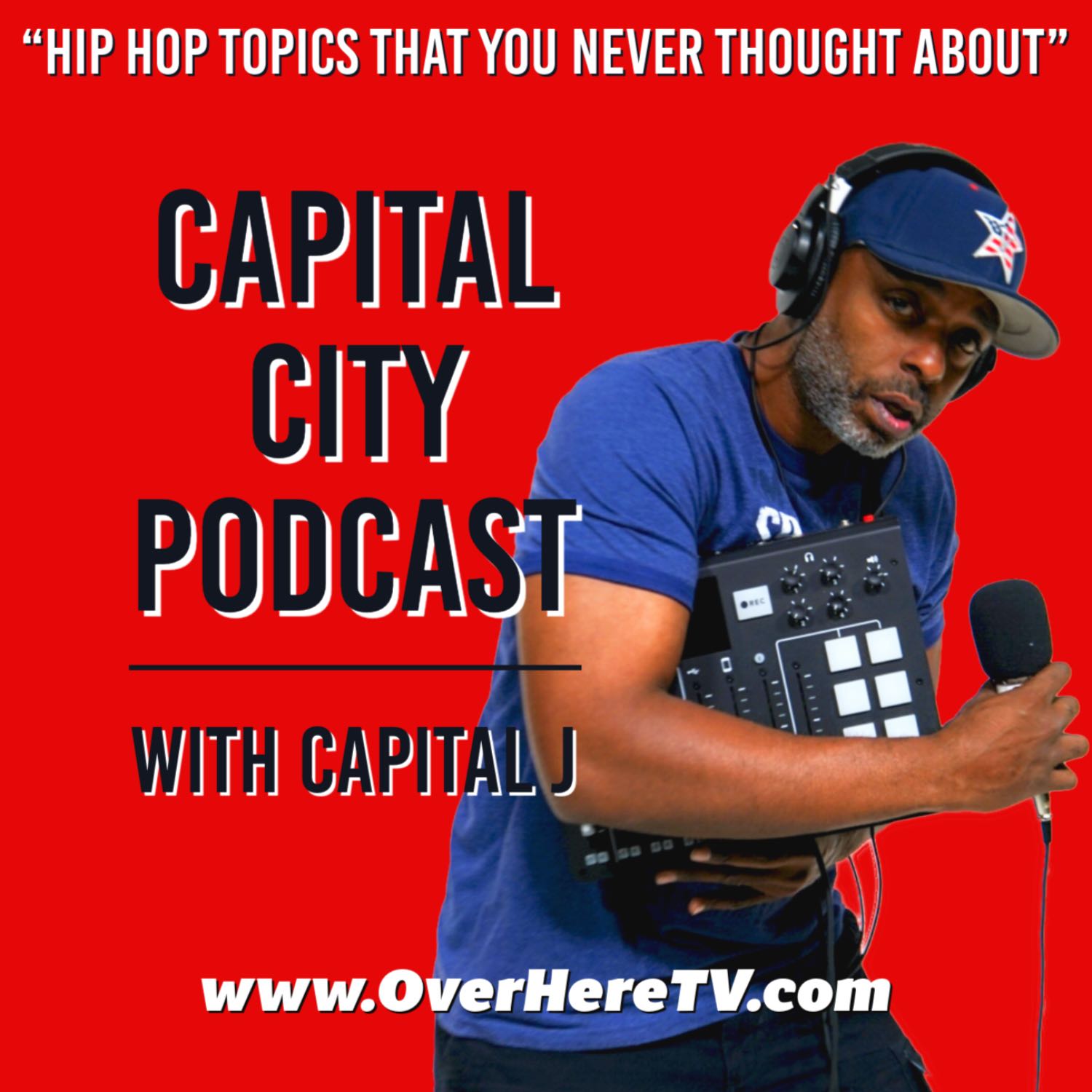
Capital City PodCastAuthor: Capital J and DL Glass
With over 30 years in the music industry, Hip-Hop historian Jerome "Capital J" Dickens and DL Glass talk lyrics, beats, and music. In-depth conversations that discuss the music business and the business of music. To be apart of the conversation email us at info@overheretv.com. Language: en Contact email: Get it Feed URL: Get it iTunes ID: Get it Trailer: |
Listen Now...
Capital City Podcast #142 " Is Cheap Equipment Holding You Back? DJs, Podcasters & Creators Need This Talk"
Episode 4
Tuesday, 7 April, 2026
On this episode of Capital City Podcast, Capital J and DL Glass break down a question every DJ, podcaster, producer, filmmaker, and creator has to face: does the quality of your equipment really matter?From DJ controllers, microphones, speakers, and wires to cameras, laptops, CDs, tapes, and studio gear, this conversation gets real about the difference between cheap equipment and true quality. Capital J gives the DJ perspective, while DL Glass speaks from the sound, film, and production side.This is bigger than gear talk. This episode is really about leveling up, investing in your craft, and understanding that what you use can directly affect how people experience your work. Sometimes budget gear can get you started, but sooner or later, quality becomes impossible to ignore.If you create music, record podcasts, DJ events, shoot video, or care about doing things the right way, this episode is for you.In this episode: • Does expensive equipment really sound better? • Why used quality can beat brand-new junk • How cheap gear limits growth • The truth about microphones, speakers, controllers, and cables • Why leveling up your equipment is part of leveling up yourselfCapital City Podcast, Capital J, DL Glass, does quality matter, quality equipment, cheap vs expensive gear, DJ equipment, podcast equipment, microphone quality, audio quality, sound quality, film equipment, video production gear, music production equipment, hip hop podcast, DJ controller, studio microphones, podcast microphones, content creator equipment, invest in your craft, creator growth, professional audio gear, beginner DJ gear, podcast studio setup, quality over cheap