 |
Science Backed Solutions for Childrens ADHD, Executive Functioning and Anxiety DysregulationIt's Gonna Be Ok! Author: Dr. Roseann Capanna Hodge
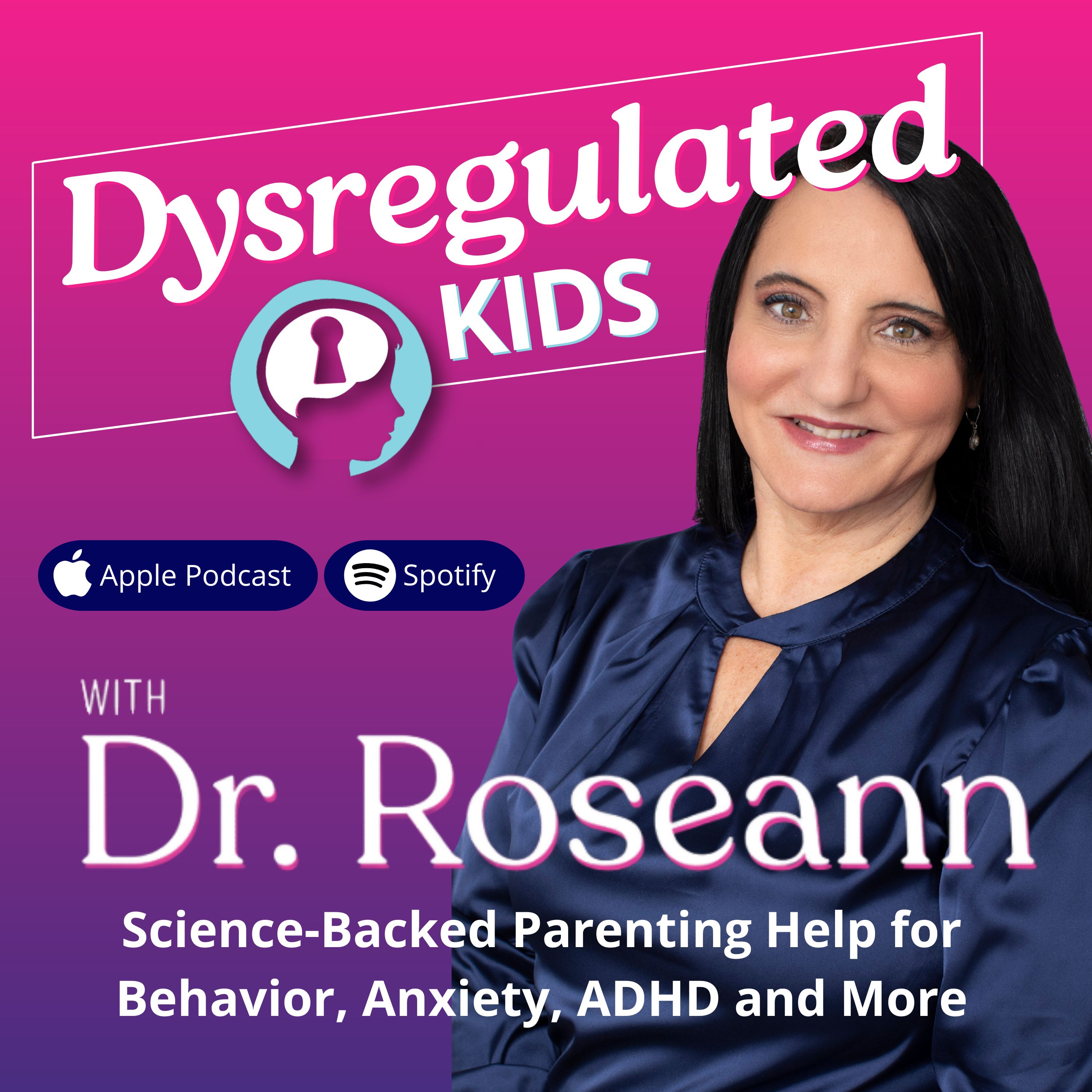
Are you tired of the daily battles, the problems with listening and focus, meltdowns over minor frustrations, and the constant feeling of walking on eggshells in your own home? If you're a parent who feels overwhelmed, stuck in a cycle of reactivity, and utterly exhausted from trying to manage your child's challenging behaviors, you are not alone. You've tried everythingthe sticker charts, the timeouts, the endless negotiationsbut nothing creates lasting change. The answer isn't more discipline. The secret is understanding the brain. Welcome to Dysregulated Kids: Science-Backed Parenting Help, the podcast that is revolutionizing the way we parent. Hosted by Dr. Roseann Capanna-Hodge, a licensed therapist, school psychologist and author with over 30 years of experience in children's mental health and recognized by Forbes as a thought leader in children's mental health, this podcast is your lifeline. Dr. Roseann pulls back the curtain on why your child or teen is struggling, whether they have a clinical diagnosis like ADHD, Anxiety, Autism, OCD, Depression, Dyslexia, Executive Functioning challenges, Lyme, or PANS/PANDAS, or are simply navigating the ups and downs of everyday life.Her revolutionary Regulation First Parenting approach teaches that calming the nervous system is the first step before you can connect, teach, or help your child learn. In short, actionable episodes, Dr. Roseann gives you proven tools like the CALMS Protocol, quick nervous system reset tools and co-regulation strategies to move your child (and yourself!) from stress and reactivity to calm, connection, and resilience. You'll learn what to say and do to de-escalate meltdowns in the moment, how to build your child's emotional regulation skills, and how to improve their executive functioning and attention so they can succeed at home, at school, and in life. Imagine shifting your entire perspective from seeing "defiance" to understanding "dysregulation." Picture yourself feeling confident and equ Language: en Genres: Health & Fitness, Kids & Family, Mental Health, Parenting Contact email: Get it Feed URL: Get it iTunes ID: Get it Trailer: |
Listen Now...
5 Phrases to Calm an Angry Child in Under a Minute | Co-Regulation Parenting | E414
Episode 414
Monday, 8 June, 2026
When a child is in meltdown, 30 seconds matter most. The 5 Phrases to Calm an Angry Child in Under a Minute gives parents science-backed tools to calm without escalating the nervous system. Roseann Capanna-Hodge is an expert in Regulation First Parenting™ and emotional dysregulation in children.When your child is angry, those first few seconds can feel chaotic and overwhelming. Your heart races, your voice tightens, and suddenly nothing seems to work. But there is a way to shift the moment—starting with your nervous system and the words you choose.Let me share how to respond in ways that calm the nervous system instead of escalating it—and what parents can do right now.Why does my child explode when I try to calm them down?When your child is already overwhelmed, even calm words can feel like pressure to their nervous system.Anger is not defiance—it’s a full-body survival response where the brain moves into protection mode.The amygdala is in charge, not the thinking brainLogic shuts down when threat is perceivedYour child isn’t choosing the reaction—they’re stuck in itReal-life example: You say “calm down,” but your child hears “you’re not safe,” and escalates further.What should I say in the first 30 seconds of my child’s anger?Those first 30 seconds can either lower or raise the intensity of dysregulation.Here are simple, grounded phrases that signal safety and connection:“I see this is really hard right now.” → reduces threat“I’m going to stay calm with you.” → co-regulates the brain“You are safe, I’m here.” → signals safety to the body“Let’s take one small step.” → prevents overwhelm“We can solve this when your brain is calm.” → delays reasoning safelyReal-life example:Instead of arguing during a meltdown, you sit nearby and calmly say, “I’m here. We’ll figure this out together.”Yelling less and staying calm isn’t about being perfect—it’s about having the right tools.Join the Dysregulation Insider VIP list and get your FREE Regulation Rescue Kit, designed to help you handle oppositional behaviors without losing it.Download it now at www.drroseann.com/newsletterHow do I calm my nervous system when my child is melting down?Your nervous system sets the emotional tone in the room.When you regulate yourself first, you become your child’s anchor.Slow your breathing before speakingLower your voice instead of raising itFocus on being a stable presence, not a perfect parentTry tools from Quick CALM and the Regulated Child Summit to get step-by-step, science-backed strategies you can use in real moments of dysregulation.Why doesn’t reasoning work during emotional outbursts?Because your child’s brain is not online for reasoning in that moment.When dysregulated, the prefrontal cortex goes offline, meaning:Problem-solving is temporarily impossibleInstructions feel like pressureEmotions override logic🗣️ “When a child feels misunderstood, the brain no longer has to fight for validation when you give it validation.”— Dr. RoseannInstead of fixing behavior, focus on regulating the brain first. That’s where real change begins.TakeawayYour child isn’t giving you a hard time—they’re having a hard time. When you shift from correction to connection, everything changes.Calm is not forced; it’s created through safety, presence, and co-regulation. It’s gonna be OK.FAQsWhy does my child get angrier when I try to help?Because their nervous system is overwhelmed. Even helpful words can feel like pressure when they’re dysregulated.What is co-regulation in parenting?It’s when a calm adult helps stabilize a child’s emotional state through presence, tone, and connection.How long does it take for a child to calm down?It varies, but calm comes faster when the adult stays regulated and avoids reasoning during escalation.Should I talk during a meltdown?Keep it minimal. Short, calm phrases work better than explanations or corrections.Every child’s journey is different. That’s why cookie-cutter solutions don’t work.Take the free Solution Matcher Quiz and get a customized path to support your child’s emotional and behavioral needs—no guessing, no fluff.Start today at www.drroseann.com/help