 |
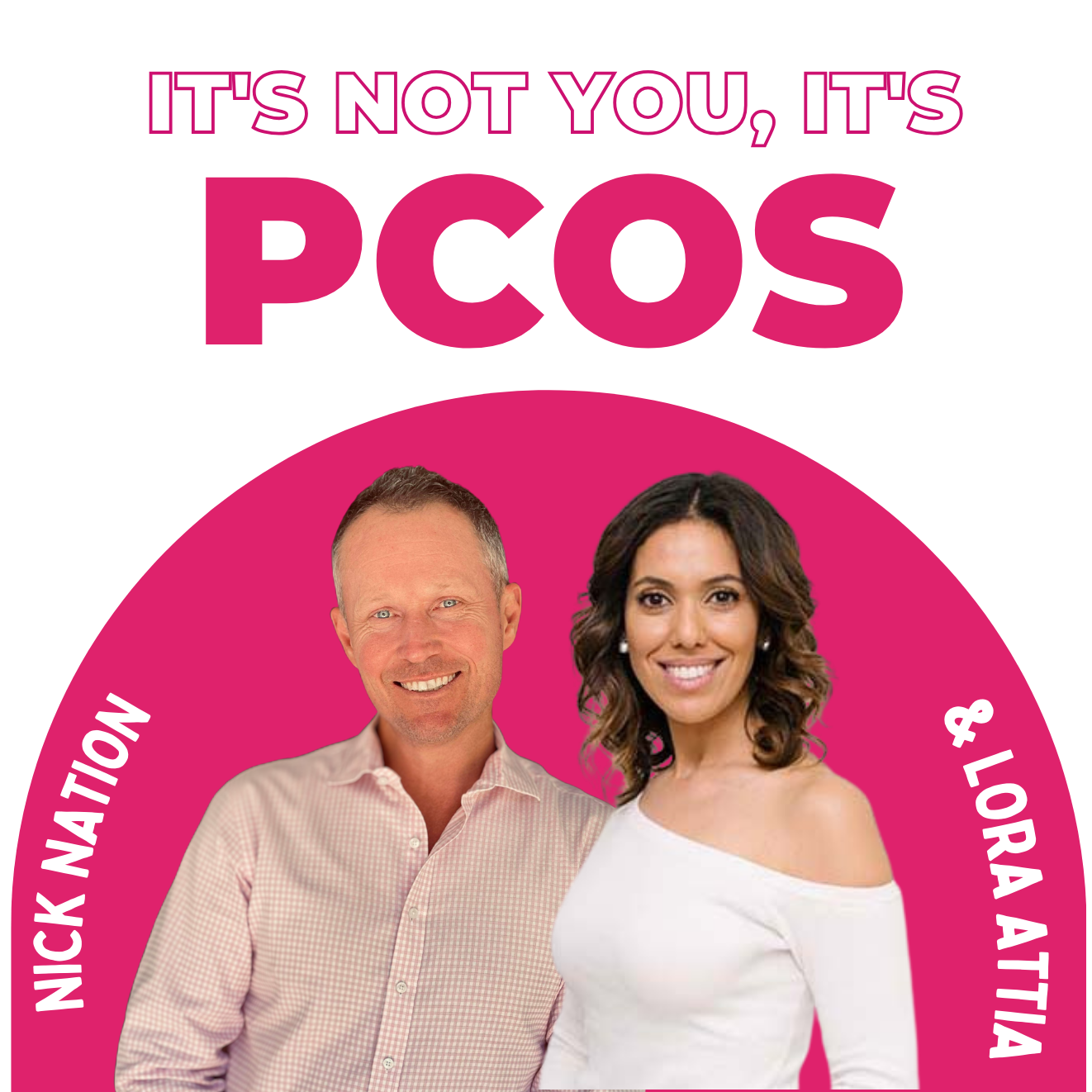
Its Not You, Its PCOSAuthor: Lora Attia & Nick Nation
ITS NOT YOU, ITS PCOS is brought to you by expert accredited practicing dietitians and nutritionists Lora Attia and Nick Nation. With over 25 years combined experience specialising in nutrition for PCOS and fertility, were committed to helping women find accessible, evidenced based nutrition strategies worth making! We understand the complexities of managing PCOS and are here to share with you how evidence-based nutrition can be your most powerful tool for long term success. Language: en Genres: Health & Fitness, Medicine, Nutrition Contact email: Get it Feed URL: Get it iTunes ID: Get it |
Listen Now...
Beyond Weight loss - How GLP-1s Are Changing PMOS (PCOS) Care
Episode 29
Tuesday, 10 November, 2026
GLP-1 Medications, PMOS & Fertility: What You Need to Know Could GLP-1 medications influence your PMOS symptoms, menstrual cycle and fertility? In this episode, fertility and pregnancy dietitian Nick Nation explores the growing conversation around GLP-1 medications, including Ozempic and Mounjaro, and their potential role in managing insulin resistance and supporting reproductive health in people with PMOS (formerly PCOS). We explore how these medications work, what emerging research tells us about ovulation and fertility, and what you need to consider if you're planning a pregnancy or thinking about coming off medication. We also discuss the nutritional considerations that can easily be overlooked, including adequate protein, fibre, hydration and preserving muscle mass while taking GLP-1 medications. In this episode, we discuss: Why PCOS is increasingly being referred to as PMOS and what this change means. How GLP-1 medications influence appetite, digestion, insulin and food noise. The relationship between insulin resistance, testosterone, ovulation and menstrual cycles. What emerging research tells us about GLP-1 medications and fertility outcomes. What we know (and don't yet know) about their use in people with lean PMOS. Pregnancy planning, contraception and medication-specific washout periods. How to maintain adequate nutrition when appetite is reduced. The importance of protein, fibre, hydration and strength training to preserve muscle. What happens when you stop GLP-1 medications and why planning ahead matters. Practical takeaways If you're taking a GLP-1 medication and thinking about pregnancy, or simply looking to support your reproductive health, here are some important considerations: Discuss your fertility plans and medication-specific stopping timelines with your prescriber or fertility specialist. Plan medication changes well in advance of trying to conceive. Never stop or taper medication without professional guidance. Prioritise protein, fibre, varied nutrient-dense foods, hydration and regular eating. Incorporate strength training two to three times per week, where appropriate, to help preserve muscle. Consider working with a dietitian experienced in women's health, fertility and pregnancy nutrition, particularly when transitioning off medication. Memorable moments "The research is really thin." "Pregnancy is not the time to diet." "GLP-1s as a tool, not a cure." Episode chapters 00:00 Why GLP-1s are trending for PMOS 01:01 Why PCOS was renamed PMOS 02:16 How GLP-1 medications work 03:06 Insulin resistance, hormones and ovulation 05:26 What the fertility evidence says 06:48 Pregnancy, contraception and medication timing 10:25 Eating well when appetite drops 12:37 Small meals, side effects and strength training 13:55 What to expect when stopping GLP-1s 15:19 The take-home: plan ahead with your care team Stay connected Follow us, Lora Attia and Nick Nation on Instagram @itsnotyouitspmos for evidence-based conversations, practical nutrition advice and support around PMOS, fertility, hormones and reproductive health. Instagram: https://www.instagram.com/itsnotyouitspmos/ It's Not You, It's PMOS – helping you understand your hormones and feel empowered in your reproductive health journey. I'd keep the three sound bites in the description. They're strong, memorable statements that communicate the episode's message without overselling what the current fertility research can tell us.