 |
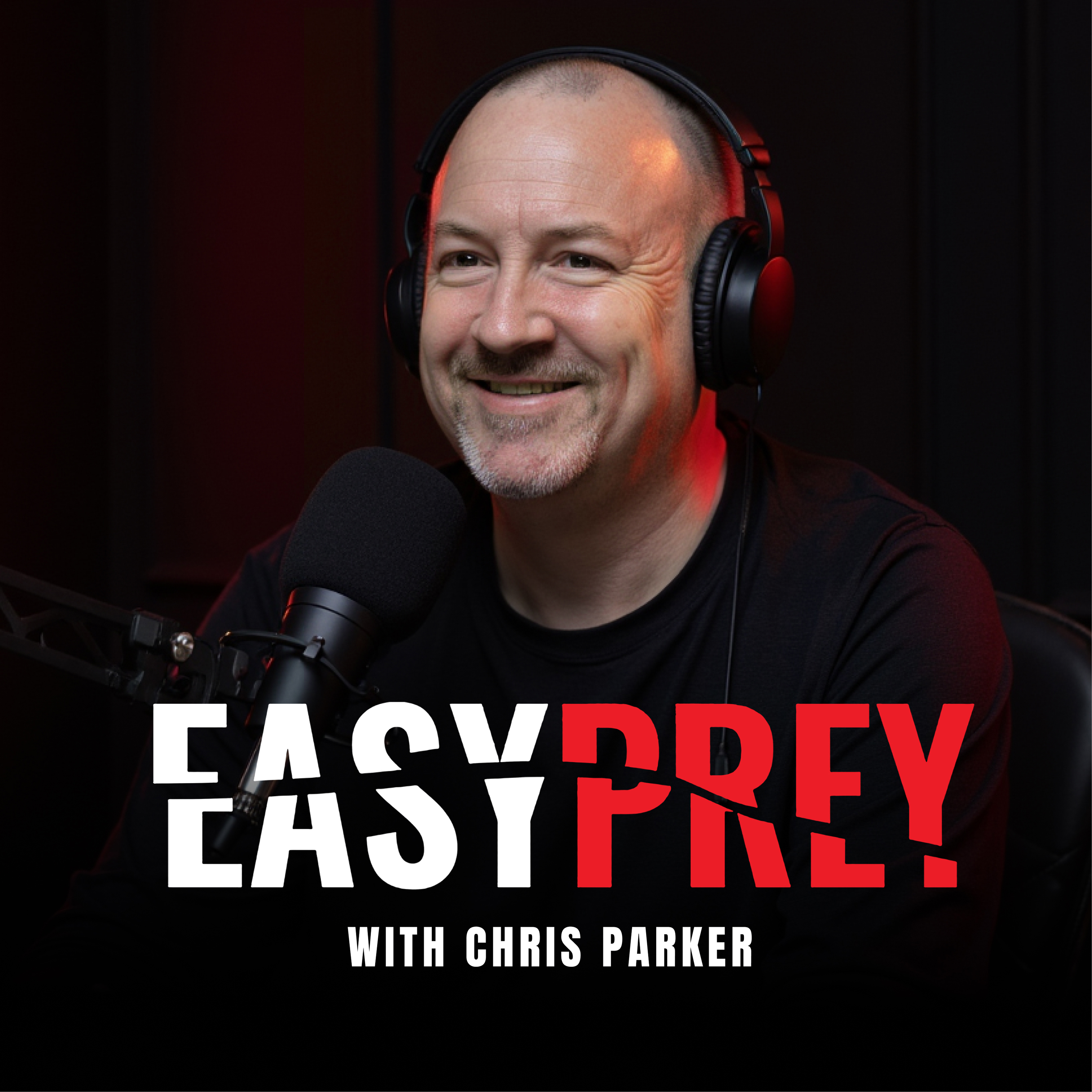
Easy PreyAuthor: Chris Parker
Chris Parker, the founder of WhatIsMyIPAddress.com, interviews guests and tells real-life stories about topics to open your eyes to the danger and traps lurking in the real world, ranging from online scams and frauds to everyday situations where people are trying to take advantage of youfor their gain and your loss. Our goal is to educate and equip you, so you learn how to spot the warning signs of trouble, take quick action, and lower the risk of becoming a victim. Language: en Genres: News, Tech News, True Crime Contact email: Get it Feed URL: Get it iTunes ID: Get it |
Listen Now...
The Counterfeit Economy
Episode 340
Wednesday, 9 September, 2026
A counterfeit handbag may leave someone disappointed. A counterfeit medication, airbag, or child's car seat can do far more damage. Fake products now reach into nearly every part of daily life, and many of them arrive through online stores that look completely legitimate. Kari Kammel saw the danger firsthand when a pharmacist overseas offered her several versions of the same medication. Some were authentic, while others were openly described as counterfeit. That experience stayed with her. She now directs the Center for Anti-Counterfeiting and Product Protection at Michigan State University, where she works with consumers, brands, researchers, and law enforcement. Kari talks about how counterfeit goods enter the marketplace and why they have become so difficult to recognize. She explains what shoppers should examine before placing an order and what to check when the package arrives. The conversation also looks at the health risks behind fake products, the criminal activity they may fund, and the real reason an unbelievable deal can be so cheap. Show Notes: [01:04] Kari Kammel explains how the Center for Anti-Counterfeiting and Product Protection works to keep fake products away from consumers. [02:28] An encounter with counterfeit medication leads Kari into the field of brand protection. [03:34] Why even counterfeit experts sometimes purchase fake products by mistake. [06:11] The worldwide scale of counterfeiting and how online sales accelerated its growth. [08:30] Small direct-to-consumer packages make counterfeit shipments harder for customs officials to detect. [10:46] Why the word "dupe" can refer to either a legitimate alternative or an illegal counterfeit. [13:22] Counterfeit goods extend far beyond luxury items into car parts, electronics, toys, and medical products. [16:08] The health risks of fake clothing, cancer medications, and injectable weight-loss drugs. [18:12] Why people become less cautious and more impulsive while shopping online. [19:38] Only the brand can confirm authenticity, but consumers can still look for warning signs. [20:29] Checking the seller, business address, website, and contact information before placing an order. [23:30] Suspicious photographs, fake reviews, unusual prices, and shortages that attract counterfeit sellers. [25:41] What packaging, shipping origin, and product differences can reveal after an order arrives. [27:25] How unauthorized "third shift" manufacturing produces goods outside a brand's quality controls. [28:36] Following the money from counterfeit sales to organized crime and other illegal activity. [31:58] How counterfeiters divide shipments and change tactics to avoid customs inspections. [35:00] The countries involved in manufacturing, transporting, and purchasing counterfeit goods. [38:15] How brands search for fake products and try to remove them from online marketplaces. [39:15] The whack-a-mole problem created by counterfeit listings and AI-generated advertisements. [41:00] Child labor, human trafficking, unsafe factories, and the hidden costs behind cheaper products. Thanks for joining us on Easy Prey. Be sure to subscribe to our podcast on iTunes and leave a nice review. Links and Resources: Podcast Web Page Facebook Page whatismyipaddress.com Easy Prey on Instagram Easy Prey on Twitter Easy Prey on LinkedIn Easy Prey on YouTube Easy Prey on Pinterest Kari Kammel - A-CAPP Team - Michigan State University Kari Kammel - LinkedIn