|
The Dissociative TableAuthor: Various hosts and guests
Named for George Fraser's famous technique, The Dissociative Table is a forum for leaders in the field of complex trauma treatment to share innovations and insights regarding theory and application. Synthesis of effective modalities is a major focus, as is the development of narrative meaning as a healing objective beyond symptom relief. TDT does not specifically endorse any modalities or schools of thought; however, many of the hosts and guests are connected to the EMDR Institute and the larger EMDRIA community. Content is not endorsed by the EMDR Institute or EMDRIA. Language: en-us Genres: Science, Social Sciences Contact email: Get it Feed URL: Get it iTunes ID: Get it |
Listen Now...
The Dissociation of "I and Thou": AI, authenticity, and EMDR (Ep. 212: Sander Kamphuis, part 4 of 4)
Episode 12
Saturday, 26 October, 2024
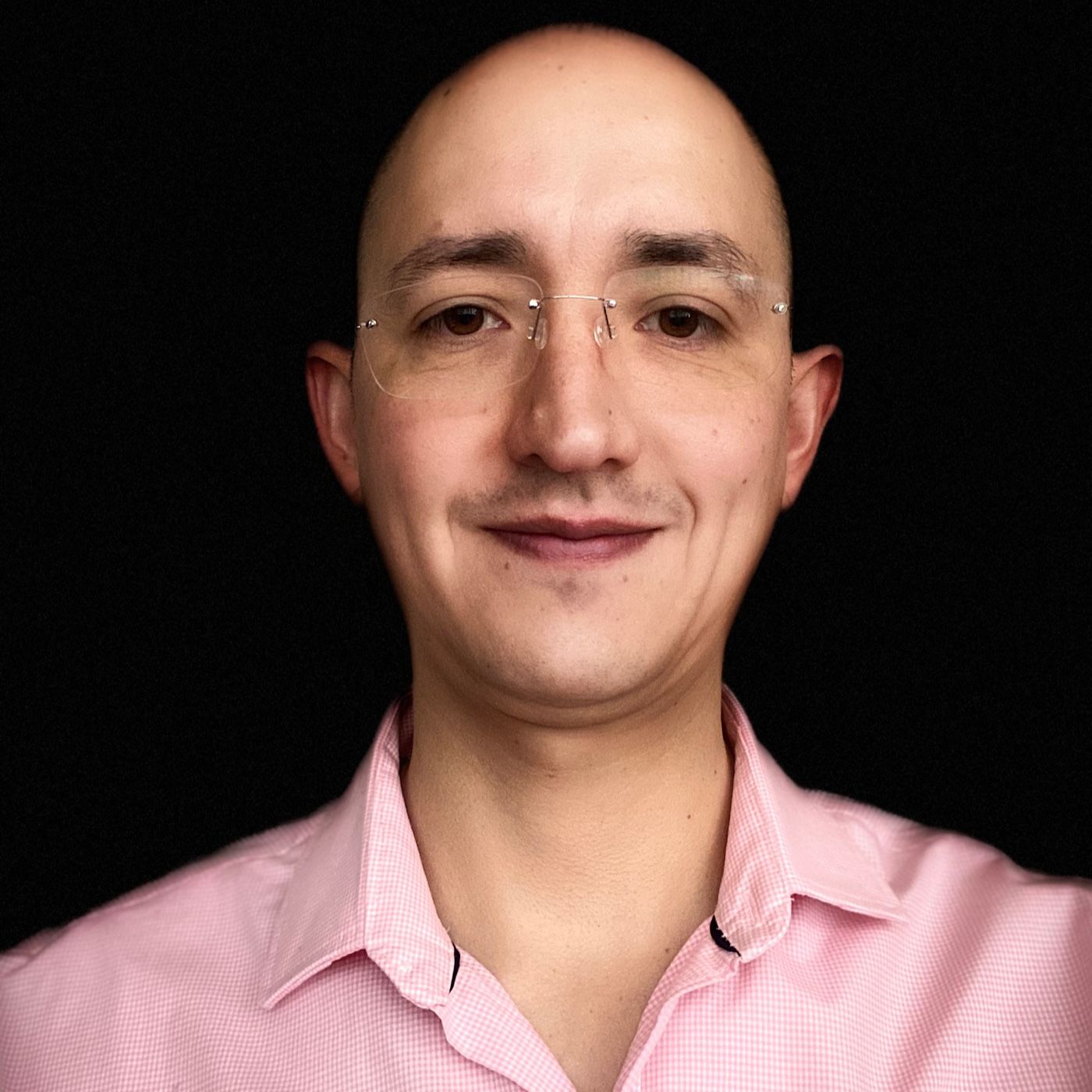
This episode is the fourth in a four-part series, featuring a conversation with Sander Kamphuis, CEO and founder of Moovd. He and his colleagues have created an AI-driven, but 100% therapist-controlled EMDR software called WeMind, as explained in previous episodes. This episode has nothing to do with WeMind, Instead, the host and Sander discuss the ethical dilemma created by a hypothetical AI therapist healing developmental trauma, in that at some level, the client is passing the "Turing Test" if the therapeutic relationship is central to treatment. That is, successful treatment would be based on a very dark untruth, as AI cannot actually feel pain. This moves to a larger treatment of relational issues concerning AI that have nothing to do with therapy, which leads to the question of whether the aforementioned dark lie already pervades society, regardless of AI. Sander then grills the host on the potential pitfalls of using advanced EMDR technology in the USA. These episodes featuring Mr. Kamphuis represent a considered and impartial exploration, not an advertisement. It is important to note (as usual) that neither TDT, nor its hosts and associates, have received financial compensation for these episodes. Advertisement of the product's free trial is intended to help you make up your own mind. TDT's hosts have directly tested WeMind to avoid absolute naiveté, both in real clinical settings, and in a controlled, experimental manner to test its limits.In future (as in past) episodes, guests will offer counterpoints to Mr. Kamphuis's views, and this video is a dialogue, rather than an endorsement of his perspectives. Likewise, The Dissociative Table does not endorse the views of its hosts, nor do any professional organizations to which the hosts or guests might belong. Join the discussion of this episode and others at the anonymous, free, clinicians-only discussion board by emailing dissociativetable@gmail.com. The music in this episode is taken from the song "Svetlana," from Cracked Machine's album I, Cosmonaut. The band has generously donated rights to their music to TDT in support of increased global access to effective trauma treatment. Stream or download at: https://crackedmachine.bandcamp.com/