 |
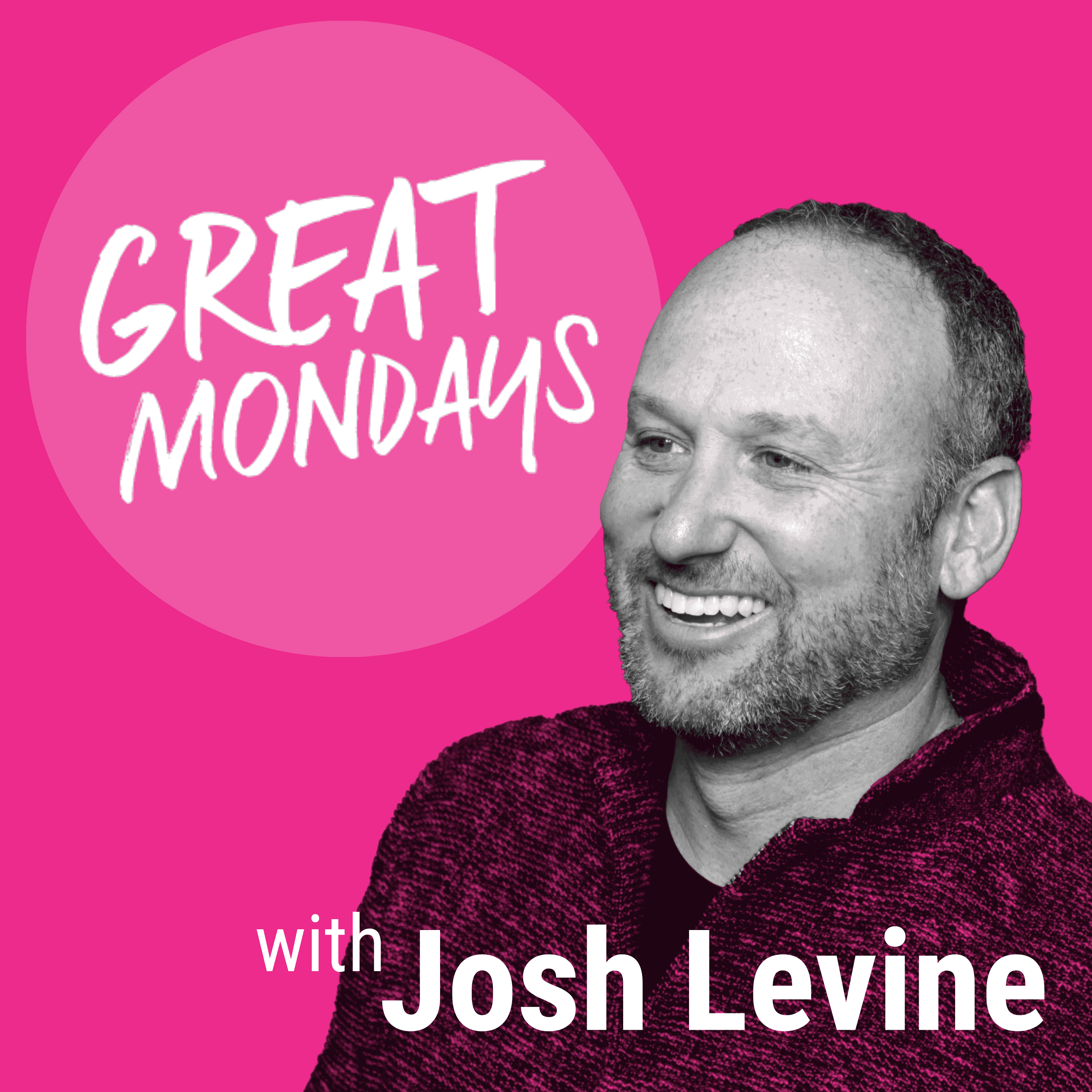
Great Mondays RadioCandid conversations with culture leaders. Author: Josh Levine
There is only one sustainable competitive advantage in business todaycompany cultureand Im on a mission to help organizations harness its power. Josh Levine, here, the host of Great Mondays Radio. Im an author, consultant, and educator with over fifteen years of experience helping hyper-growth technology companies become more effective, aligned, and profitable. My book, Great Mondays: How To Design A Company Culture Employees Love, was listed as one of BookAuthoritys best culture books of all time. Great Mondays Radio is my way of elevating the people and stories behind techs best company cultures so that more leaders can apply this powerful business tool to improve employee lives and their bottom line. If you're an experienced people leader or HR professional, apply to be a guest on the show at https://radio.greatmondays.com/podcast-guest Language: en Genres: Business, Careers, Entrepreneurship Contact email: Get it Feed URL: Get it iTunes ID: Get it |
Listen Now...
The Hidden Operating System Running Your Company (And Why You’re the Bottleneck)
Monday, 27 April, 2026
Most leaders try to fix performance problems with better systems, clearer processes, or new hires. But what if the real bottleneck is something far more fundamental — and it starts with you?Linda Perry spent 17 years as a federal criminal defense attorney studying what drives human behavior before becoming a leadership and executive strategist. In that courtroom work, she discovered something that now shapes how she helps organizations scale: everyone operates from a core motivation — a hidden "why" that determines how they make decisions, communicate, lead, and get stuck.In this episode, Josh and Linda explore what happens when leaders finally understand their own operating system — and what it costs when they don't. They dig into how core motivations shape the cultures leaders build (often without realizing it), why the "problem employee" is usually just wired differently, and how a team's collective why can reveal exactly where growth will stall.If your organization has hit a plateau, the answer probably isn't a new strategy. It's a clearer understanding of the people already in the room.Reference: 9 WhysAbout Linda Perry Linda Perry is a former federal criminal defense attorney turned leadership and executive strategist. After 17 years in the federal court system, she shifted her focus from defending clients to understanding what drives human behavior — and how those same patterns shape organizational performance. Today she works with executives and leadership teams to uncover their core motivations, break through growth plateaus, and build cultures that leverage who people actually are. Learn more at lindamperry.com.About Great Mondays:→ Think you'd be a great guest on the show? Apply here.→ Running our show takes a lot of coffee. Support us for just $3/month.→ Watch Great Mondays Radio episodes on YouTube.→ Want to learn more about Josh's work at Great Mondays? Visit greatmondays.com.