 |
Scam RangersAuthor: Ayelet Biger-Levin
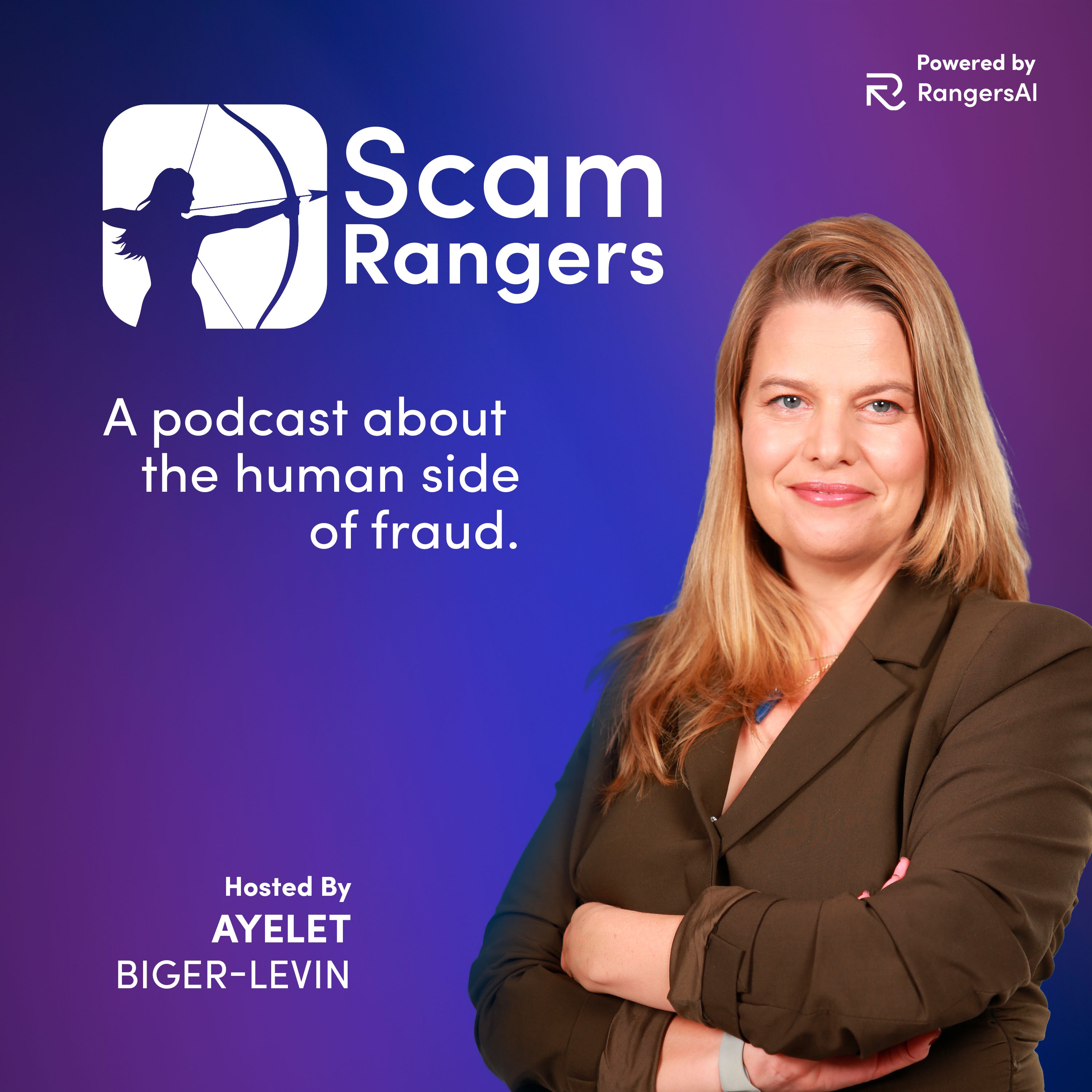
Scam Rangers - A podcast about the human side of fraud and the people who are on a mission to protect us. We will hear from activists, researchers, prosecutors, human trafficking experts and other advocates, telling the story of scams and scam victims from their perspectives. Most importantly - we can learn what we can do about it. If you are enjoying this show, subscribe, and follow me on LinkedIn for more information and news about online scams: https://www.linkedin.com/in/ayelet-biger-levin/ Language: en Genres: Business News, News, Tech News Contact email: Get it Feed URL: Get it iTunes ID: Get it Trailer: |
Listen Now...
Why You Can't Break a Scam With Factos Alone, A conversation with Ayleen Charlotte, Founder S.A.F.E.
Episode 16
Wednesday, 8 July, 2026
Most of us believe that if someone is being scammed, all they need is proof.Show them the evidence. Point out the red flags. Explain the facts.But what if that's not enough?In this episode of Scam Rangers, I sit down with Ayleen Charlotte, survivor of the Tinder Swindler and founder of SAFE (Scam Awareness & Fraud Education), to explore what really happens when someone isunder the influence of a scammer and why breaking that manipulation requires much more than facts.Ayleen shares her personal journey from victim to advocate, including the emotional aftermath of discovering that the relationship she believed in never existed. We discuss how scams reshape the way people think, why victims often defend the scammer, and what banks, investigators, frontline teams, and even family members need to understand if they truly want to help.This conversation goes beyond one remarkable story. It challenges many of the assumptions we've made about scam prevention and highlights why understanding human psychology is just as important as understanding fraud.What You'll Learn Why scam victims can't always be convinced with facts alone. How manipulation changes the way people think, process information, and make decisions. The different stages of the "scam spell" and why interventions must adapt to each stage. Why fraudsters intentionally position banks and loved ones as the enemy. What organizations can do to become more victim-centered and trauma-informed. How Ayleen transformed her lived experience into SAFE, a training platform helping financial institutions, law enforcement, and organizations better support scam victims.Featured GuestAyleen Charlotte is an international speaker, fraud awareness advocate, and founder of SAFE (Scam Awareness & Fraud Education). Following her experience as one of the victims featured in The Tinder Swindler, she dedicated her career to helping organizations better understand the psychology of manipulation and improve how they support scam victims through victim-centered, trauma-informed education.https://www.linkedin.com/in/ayleen-charlotte-09a338256/About the HostAyelet Biger-Levin is the Founder and CEO of RangersAI and the host of Scam Rangers, a podcast exploring the human side of scams and the people working to protect consumers from financial and emotional harm.Through her work at RangersAI and her leadership within the Global Anti-Scam Alliance and the Stop Scams Alliance, Ayelet partners with financial institutions, policymakers, and industry leaders to advance a more human-centered approach to scam prevention.Follow Ayelet on LinkedIn to continue the conversation and learn more about the work being done to build scam resilience.https://www.linkedin.com/in/ayelet-biger-levin/