 |
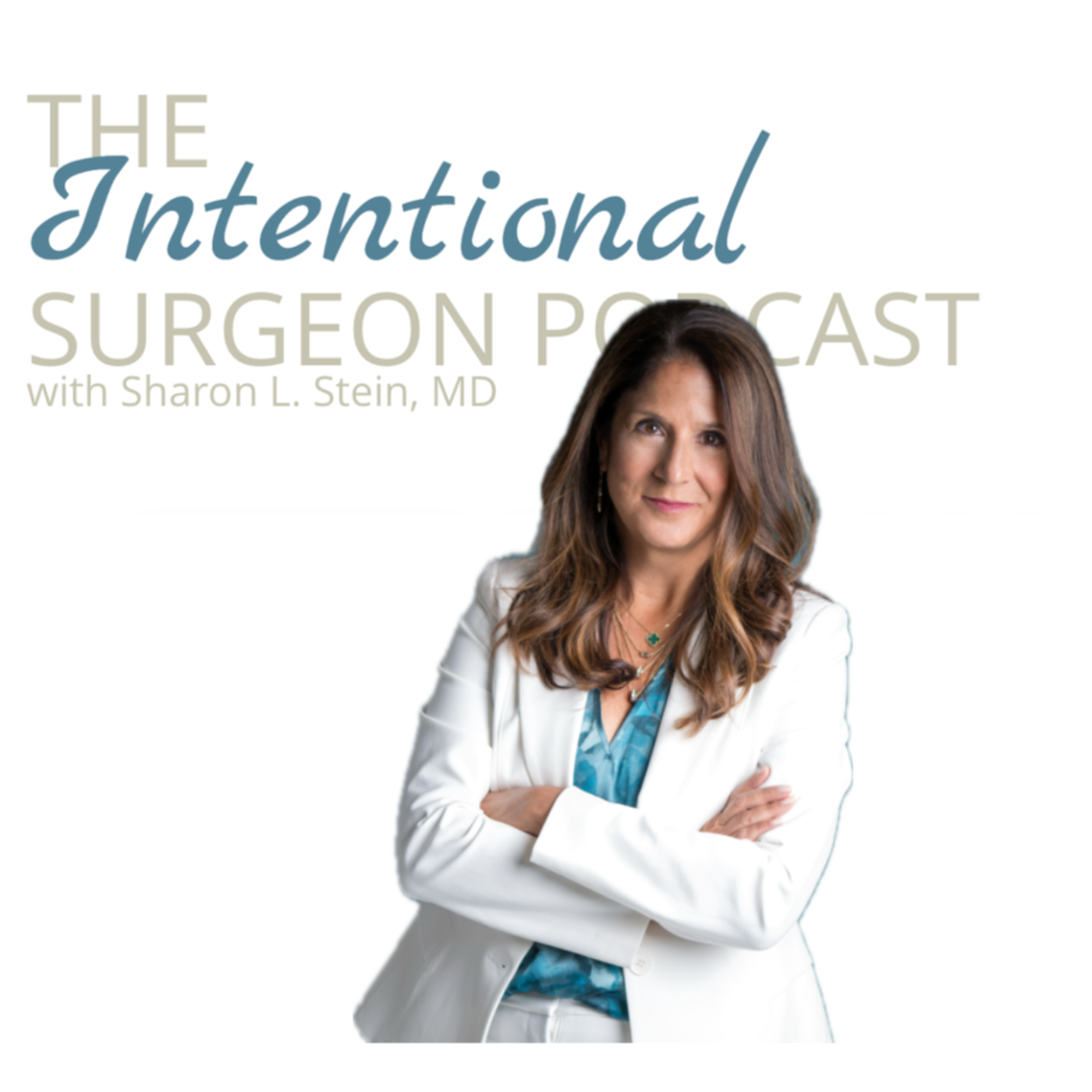
The Intentional Surgeon with Sharon L. Stein, MDAuthor: Sharon L. Stein, MD
Welcome to The Intentional Surgeon, where we dive deep into the people, institutions, and ideas reshaping the culture of surgery. Hosted by Sharon L. Stein, MD, an internationally recognized colorectal surgeon, professor, and change agent, this podcast explores the challenges and opportunities transforming the surgical world and medicine. Each episode features inspiring guests who are pioneering new ways to practice surgery, educate future surgeons, and redefine patient care and the surgical workforce. Join Dr. Sharon Stein on this thought-provoking journey to discover how innovation is driving change and improving the future of surgery. Language: en Genres: Health & Fitness, Medicine, Mental Health Contact email: Get it Feed URL: Get it iTunes ID: Get it |
Listen Now...
S03EP18: Reimagining the Future of Organ Donation with Gabriel Schnickel MD, MPH
Episode 18
Wednesday, 4 November, 2026
In this episode of The Intentional Surgeon, Dr. Sharon L. Stein reconnects with her medical school classmate, Gabriel Schnickel, MD, MPH, Transplant and Hepatobiliary Surgeon, Surgical Director of Liver Transplantation at UC San Diego, and Co-Founder and Executive Director of the REIMAGINE Center.REIMAGINE stands for Research, Education, Innovation and Transformation in Organ Donation. It is a multidisciplinary center at UC San Diego with an ambitious vision: to transform organ donation and transplantation by bringing together expertise not only from across the donation and transplantation community, but from disciplines and fields beyond traditional medicine.Gabe shares how REIMAGINE is tackling some of the most challenging problems in transplantation through four interconnected pillars: basic and translational science; education and innovation; economics, ethics and equity; and compassion, gratitude and wellness.But this conversation goes well beyond the science and technology of transplantation. Together, Sharon and Gabe explore the extraordinary privilege of giving patients a second chance at life, the central role of compassion in making organ donation possible, and the responsibility of physicians to build and protect public trust in medicine.Perhaps most importantly, they discuss why compassion, gratitude, and human connection aren't simply nice additions to a technically demanding surgical career. They are essential to the teams, relationships, and professional sustainability that make extraordinary medicine possible.In this conversation, we explore:Reimagining the future of transplantation: Why transforming organ donation requires bringing together diverse disciplines, perspectives, and expertise rather than relying solely on traditional approaches within medicine.The four pillars of REIMAGINE: How scientific discovery, education and innovation, economics, ethics and equity, and compassion, gratitude and wellness work together to advance transplantation.The magic of transplant surgery: The profound experience of giving someone a second chance at life, witnessing the generosity of donors and their families, and rediscovering the excitement of medicine through the eyes of students and residents.Compassion as the foundation of organ donation: Gabe's powerful definition of compassion as empathy plus action — recognizing another person's suffering and taking action to relieve it.The importance of trust in medicine: How historical injustices and sensationalized misinformation have contributed to public mistrust, and why accurate education about organ donation is so important.Compassion, gratitude, and professional sustainability: Why reconnecting with the human purpose of our work matters not only to our patients, but also to the well-being and sustainability of surgeons and the teams around them.Take away:We often think of surgical innovation in terms of technology, technique, and scientific discovery. But what if the future of exceptional medicine also depends on how intentionally we cultivate compassion, gratitude, and human connection?As Gabe reminds us, compassion is not passive. It is the capacity to recognize another person's suffering and take action to relieve it. That fundamental human capacity is what makes organ donation and transplantation possible — and it may be just as important to sustaining us in the practice of surgery.