 |
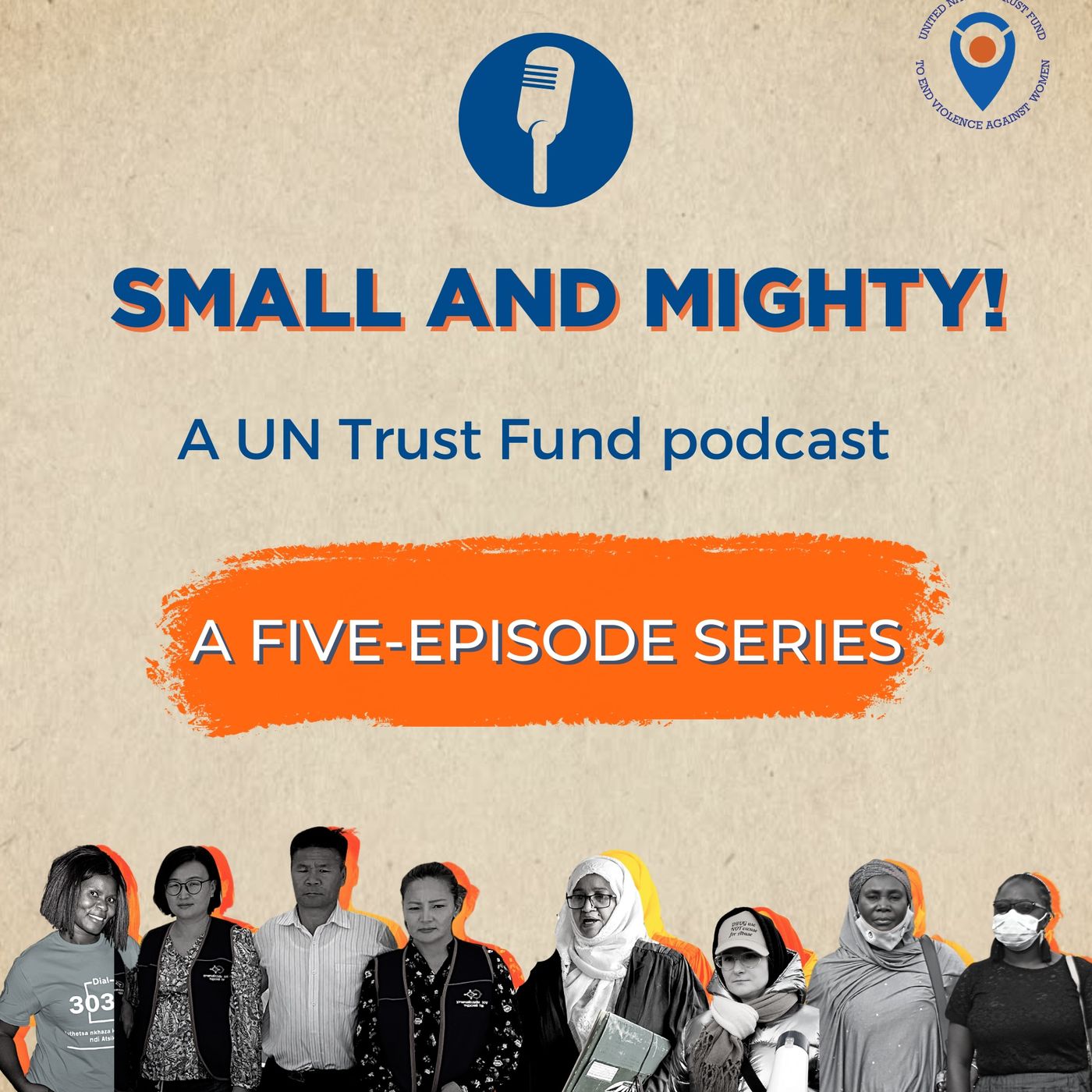
Small and Mighty!When a woman experiences violence, who will most likely be her first point of contact? In a world where violence against women and girls remains endemic, only 1 in 10 of the survivors approaches the police, and only 4 in 10 reach out for help.... Author: UN Trust Fund to EVAW
When a woman experiences violence, who will most likely be her first point of contact? In a world where violence against women and girls remains endemic, only 1 in 10 of the survivors approaches the police, and only 4 in 10 reach out for help. Those who do reach out are more likely to seek support from women they see as trustworthy and empowered, often survivors of violence themselves, who are working with small civil society and womens rights organizations embedded in their communities and dedicated to ending violence against women and girls.Listen now to Small and Mighty!, a podcast produced by the UN Trust Fund to End Violence against Women, focused on the crucial role played by small organizations working to end violence against women and girls, on their inspiring work to lead transformative change despite limited resources and major challenges, on their resourcefulness, flexibility and achievements for women and girls around the world. Five episodes. Eighteen organizations. Decades of feminist-led work at community level. The views expressed in this podcast are those of the speakers and do not necessarily represent the views of UN Women (managing the UN Trust Fund to End Violence against Women on behalf of the UN system), the United Nations or any of its affiliated organizations. Language: en Genres: Business, Non-Profit Contact email: Get it Feed URL: Get it iTunes ID: Get it |
Listen Now...
#5 "Put your own oxygen mask on first, before you help others"
Episode 5
Thursday, 14 September, 2023
Small civil society and women’s rights organizations are uniquely positioned to prevent and address all forms of violence against women and girls, including those in hardest-to-reach and particularly marginalized communities. Their specific expertise, their resourcefulness and link to the communities are driving factors of transformative change. But how do they take care of themselves and of each other? How do they manage the stress of working in the field of violence against women and girls? How can donors better support them? In this final episode, they will tell us how!