 |
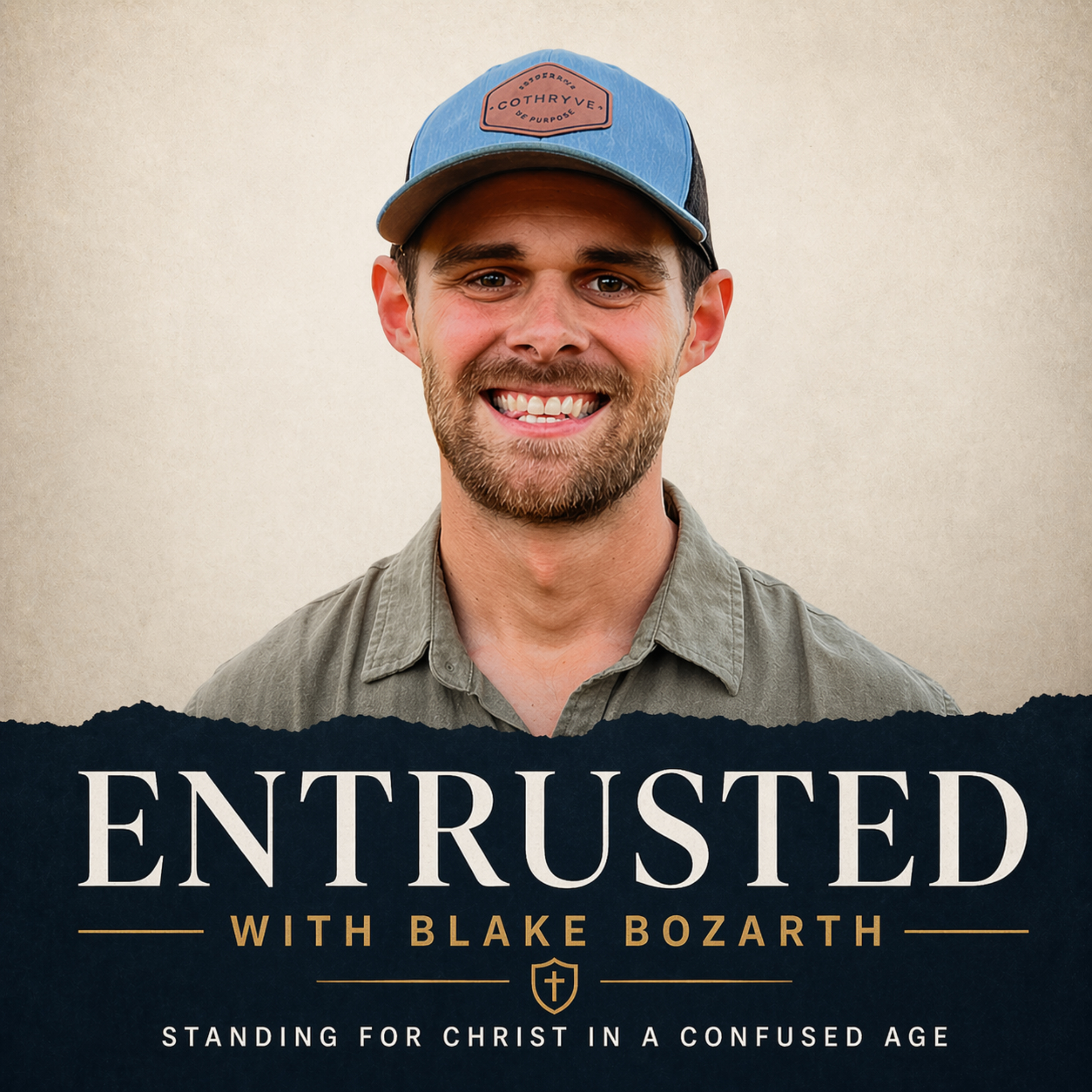
EntrustedAuthor: Blake Bozarth
Know truth. Be courageous. Language: en Contact email: Get it Feed URL: Get it iTunes ID: Get it |
Listen Now...
Ex-Muslim Exposes How Islam Takes Over the West — Before It's Too Late For America (ft. Ismail Youssef)
Episode 77
Wednesday, 22 July, 2026
Ex-Muslim Ismail Youssef (@ishofarabia) breaks down exactly how Islam advances through the West — and what's coming to America if the Church stays asleep.Ismail grew up a devout Sunni Muslim before leaving Islam at 16, spending years as an atheist, and giving his life to Christ at 18. Now he dedicates his life to telling the truth about Islam and reaching Muslims with the Gospel.In this conversation, Blake and Ismail go deep: why Islam and Christianity aren't just different but opposite, the strategy behind Islam's spread through the West, what the UK and Europe reveal about America's future, the explosive growth of the underground church in the Muslim world — and the one thing Ismail is begging Christians to do before it's too late.It's a bold, no-filter conversation that confronts the ideology honestly while loving the people caught inside it — because, as Ismail says, "Muslims are the biggest victims of Islam."GUEST: Ismail YoussefInstagram: instagram.com/ishofarabiaYouTube: youtube.com/@ishofarabiaHOST: Blake Bozarth / EntrustedInstagram: instagram.com/blake.bozarthWatch the full video on YouTube: https://www.youtube.com/@BlakeBozarth CHAPTERS(00:00) From Muslim to Christ — Ismail's story(02:20) Radicalized at 15 — was he a "real" Muslim?(04:40) Why he left: Muhammad's self-serving "revelations"(16:00) Two different gods: Allah vs. the God of the Bible(20:00) Grace vs. works — the love Islam can't offer(27:00) Is Islam compatible with the West?(29:00) Apostasy, death & the "three options"(31:30) "You're just talking about radicals" — the rebuttal(42:00) The demographics no one wants to talk about(45:00) The UK as a warning sign(52:00) "Muslims are the biggest victims of Islam"(55:00) Dreams & visions of Jesus(1:00:00) The explosive growth of the church in Iran(1:03:30) "Communism with a god" — Islam as political ideology(1:07:00) Why the secular West is so vulnerable(1:15:00) What Christians must actually DO(1:22:00) Final charge: courage is contagious