|
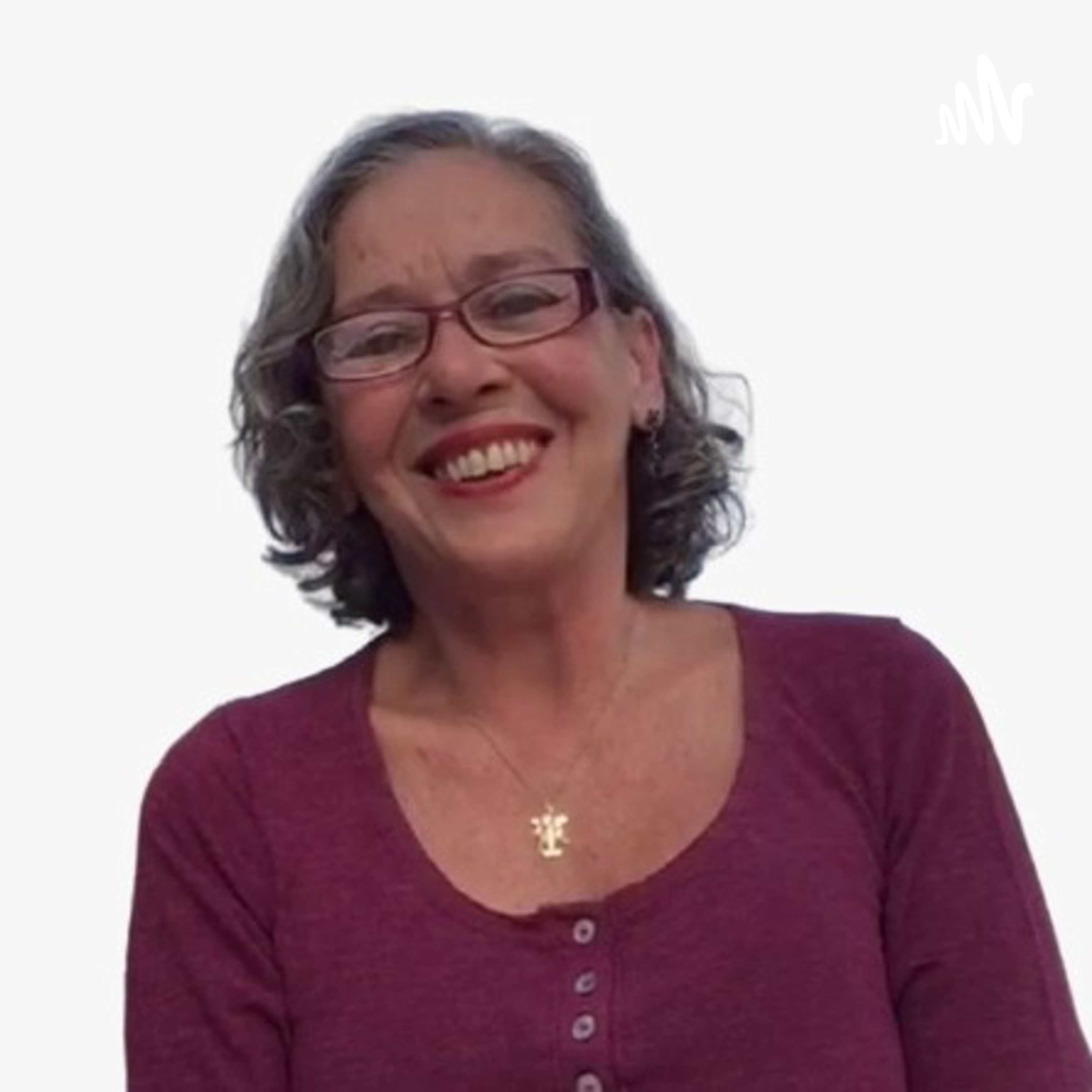
The Baby ManualAuthor: Dr. Carole Keim MD
New babies are difficult. Don't you wish they came with a manual? Well, now there is one! Hosted by a pediatrician mom, The Baby Manual will help guide you through everything you actually need to know to take care of a baby. Whether this is your first baby or your fifth, I bet youll hear something helpful in here that you didnt know. Enjoy The Baby Manual podcast, and enjoy your new baby! Language: en Genres: Health & Fitness, Kids & Family, Medicine, Parenting Contact email: Get it Feed URL: Get it iTunes ID: Get it Trailer: |
Listen Now...
610 - Postpartum and Getting Back to Normal
Wednesday, 7 October, 2026
Dr. Carole Keim welcomes OB-GYN and integrative medicine physician and co-founder of Mone Wellness, Dr. Kate Hom, to The Baby Manual for an encouraging conversation about postpartum recovery and what it really means to “get back to normal” after having a baby. Dr. Hom explains why the traditional six-week postpartum visit is an important medical checkpoint but does not mean that a mother’s body has completely recovered. Together, they discuss the significant hormonal and physical changes after delivery, pelvic floor recovery, nutrition, birth trauma, mental health, and the importance of having a strong support system throughout the postpartum period.Dr. Hom and Dr. Keim also explore the pressure of “bounce back” culture and why recovery can take much longer than six weeks. They talk about pelvic floor therapy after pregnancy, including for mothers who deliver by C-section, as well as baby blues, postpartum depression and anxiety, birth plans, doulas, epidurals, Pitocin, and some of the realities of labor and delivery. Dr. Hom shares her integrative approach to postpartum wellness, including attention to nutrition, blood sugar regulation, nervous system support, gentle progressive movement, and mental health care. She also introduces Mon Wellness, an app she helped create to give postpartum mothers access to education, expert guidance, community features, wellness tracking, and other tools for navigating recovery. Key Moments00:00 Welcome to Season 6 and meet Dr. Kate Hom02:42 Why six weeks doesn’t mean postpartum recovery is complete06:19 Hormonal changes, “bounce back” culture, and finding a new normal09:14 Nutrition, nutrient repletion, and supporting postpartum recovery10:43 Pelvic floor therapy, urinary leakage, and recovery after pregnancy14:09 Understanding birth trauma and recognizing possible symptoms17:31 Doulas, advocacy, and creating a supportive birth team22:09 Birth plans, epidurals, Pitocin, and flexibility during labor29:13 Understanding labor progression and preparing for delivery34:23 Baby blues, postpartum depression, and postpartum anxiety38:49 Therapy, medication, and professional mental health support40:33 Mone Wellness and integrative postpartum support About Dr. Katherine Hom, MD, FACOG:Dr. Katherine Hom is a board-certified OB/GYN with a medical degree from UC Irvine, residency at the University of Nevada-Las Vegas, and certification in Women's Functional and Integrative Medicine. She is the co-founder of Mone Wellness. She strives to be the bridge in women's health, intersecting a holistic approach with modern, evidence-informed medicine. As an integrative OB/GYN, she empowers women to make the best healthcare decisions for themselves by offering integrative interventions such as lifestyle, nutritional, mind-body, and botanical, as well as pharmaceutical and surgical options. She enjoys collaborating with a multidisciplinary team so women can feel the most supported, especially in transitional times like postpartum.__ Resources discussed in this episode:Mone WellnessEdinburgh Postnatal Depression ScalePerinatal Anxiety Screening Scale (PASS)__Contact Dr. Carole Keim MDLinktree linktr.ee/drkeimTiktok @dr.keimInstagram DoctorAtYourDoorWebsite CaroleKeim.com Contact Dr. Kate HomWebsite: MoneWellness.comDr. Katherine Hom on LinkedIn Vitamins and supplements for:Breastfeeding moms - https://us.fullscript.com/s/doctoratyourdoor/shop/collections/Q29sbGVjdGlvbi0zNDQyNDM=Back to School - https://us.fullscript.com/s/doctoratyourdoor/shop/collections/Q29sbGVjdGlvbi0zNDQxNTg=Immune support - https://us.fullscript.com/s/doctoratyourdoor/shop/collections/Q29sbGVjdGlvbi0yNjgyMTY= ---AmazonShop Dr. Keim’s must-have baby and toddler items: https://www.amazon.com/shop/drcarolekeim.FullScript Vitamins and SupplementsBreastfeeding Moms: https://us.fullscript.com/s/doctoratyourdoor/shop/collections/Q29sbGVjdGlvbi0zNDQyNDM=Back to School: https://us.fullscript.com/s/doctoratyourdoor/shop/collections/Q29sbGVjdGlvbi0zNDQxNTg=Immune Support: https://us.fullscript.com/s/doctoratyourdoor/shop/collections/Q29sbGVjdGlvbi0yNjgyMTY= Use this link to get 10% off and free shipping for orders over $50: https://us.fullscript.com/s/doctoratyourdoor/shopHIRO DiapersUse code DRCAROLEKEIM for a discount at checkout: https://hirodiapers.com/drcarolekeimAs an Amazon Associate, and HIRO Diapers and FullScript affiliate, I earn from qualifying purchases. Hosted by Simplecast, an AdsWizz company. See pcm.adswizz.com for information about our collection and use of personal data for advertising.