 |
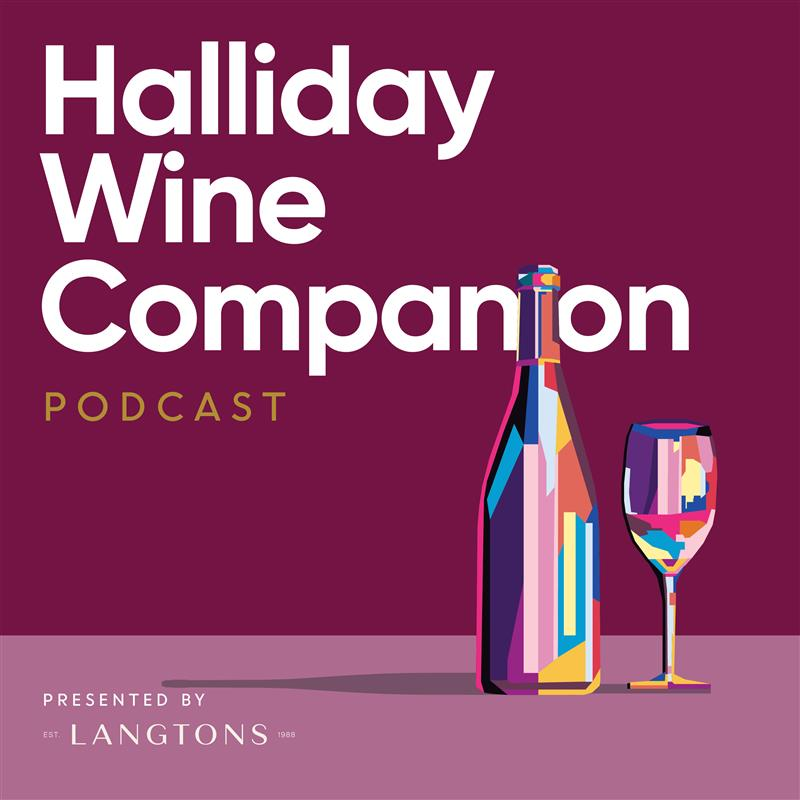
Halliday Wine CompanionThe Halliday Wine Companion Podcast is back with a new look, a new host, and a bunch of new and exciting guests. Author: Halliday Wine Companion
The Halliday Wine Companion Podcast (formerly known as By The Glass) is back with a new look, a new host, and a bunch of new and exciting guests. Join Halliday editor Anna Webster as she sits down with industry experts – including winemakers, sommeliers, distillers, critics, retailers, and more – to chat about, unpack and explore a range of wine- and drinks-related topics. From interviews with top producers and the stories behind your favourite bottles, to the science of cellaring, deep dives into wine regions and grape varieties, and much more, this fun and conversational podcast is essential listening for anyone who loves wine. So, pour a glass and settle in. Language: en-au Contact email: Get it Feed URL: Get it iTunes ID: Get it |
Listen Now...
Inside Henschke: Gwyn Olsen reveals what it takes to make Hill of Grace and Mount Edelstone
Episode 10
Tuesday, 16 June, 2026
In this episode of the Halliday Wine Companion Podcast, Anna Webster sits down with Gwyn Olsen, senior winemaker at Henschke, one of Australia’s most iconic family-owned wineries. Gwyn’s path into wine was anything but predictable. Born in Cairns and raised in Indonesia, she went on to study biochemistry before discovering winemaking through postgraduate oenology at the University of Adelaide. From her first vintage in the south of France – a job she landed thanks to Google Translate – to roles at Villa Maria, McWilliam’s, Mount Pleasant, Briar Ridge and Pepper Tree, Gwyn’s career has been shaped by science, resilience, family-owned wine businesses and a love of site-driven winemaking. Now based in the Barossa’s Eden Valley, Gwyn shares what it is like to work with some of the most famous vineyard sites in Australia, including Hill of Grace, Mount Edelstone, The Wheelwright and Cyril Henschke. She talks about the pressure of making wines with such deep history, the importance of patience in the winery, and how small one-percent improvements in picking, topping, sulphur, oak and blending can help protect and elevate Henschke’s legacy. Anna and Gwyn also explore the story behind The Nurturer, a bright, crunchy new Henschke wine inspired by Prue Henschke’s experimental plantings, plus the future of Lenswood, sustainability, old vines, biosecurity and what succession might look like inside one of Australia’s most respected wine families. Henschke Henschke on Instagram Halliday Wine Companion Halliday Wine Companion on Instagram Anna Webster on Instagram Buy the 2026 Halliday Wine Companion 🍷 Gwyn’s childhood in Indonesia and unlikely path into wine🍷 Studying biochemistry before discovering oenology🍷 Her first vintage in France after using Google Translate to apply🍷 Working at Villa Maria, McWilliam’s, Mount Pleasant, Briar Ridge and Pepper Tree🍷 How she landed the senior winemaker role at Henschke while on maternity leave🍷 The pressure of making Hill of Grace and Mount Edelstone🍷 Why patience has become central to her winemaking philosophy🍷 The story behind Henschke’s The Nurturer🍷 How Prue Henschke’s vineyard experiments are shaping new wines🍷 What sustainability, old vines and succession mean for Henschke’s future 00:00 Meet Gwyn Olsen01:29 From biochemistry to winemaking03:05 Gwyn’s first vintage in the south of France04:57 Learning winery French and working in Saint-Émilion06:08 Villa Maria and family-owned wine businesses08:45 McWilliam’s, Mount Pleasant and the Hunter Valley09:22 Pepper Tree, Briar Ridge and career-defining awards12:17 Landing the Henschke role while on maternity leave16:19 The blind tasting moment in the Henschke interview21:20 The pressure of working with iconic vineyards23:08 Small changes and one-percenters in the winery27:41 The story behind The Nurturer31:35 Tappa Pass Shiraz and a cooler Barossa vintage32:39 Mount Edelstone, Hill of Grace and the single vineyard sites35:40 The weight of Henschke history39:31 Apollonia Shiraz and new expressions46:45 How Gwyn’s winemaking philosophy has evolved47:42 Succession and Gwyn’s role in Henschke’s future54:47 What’s next for Henschke Gwyn Olsen, Henschke, Henschke wine, Hill of Grace, Mount Edelstone, Eden Valley wine, Barossa wine, Australian wine podcast, Halliday Wine Companion, Prue Henschke, Stephen Henschke, Australian winemaker, female winemaker, The Nurturer Henschke, Tappa Pass Shiraz, single vineyard wine, old vine Shiraz.See omnystudio.com/listener for privacy information.