allfeeds.ai


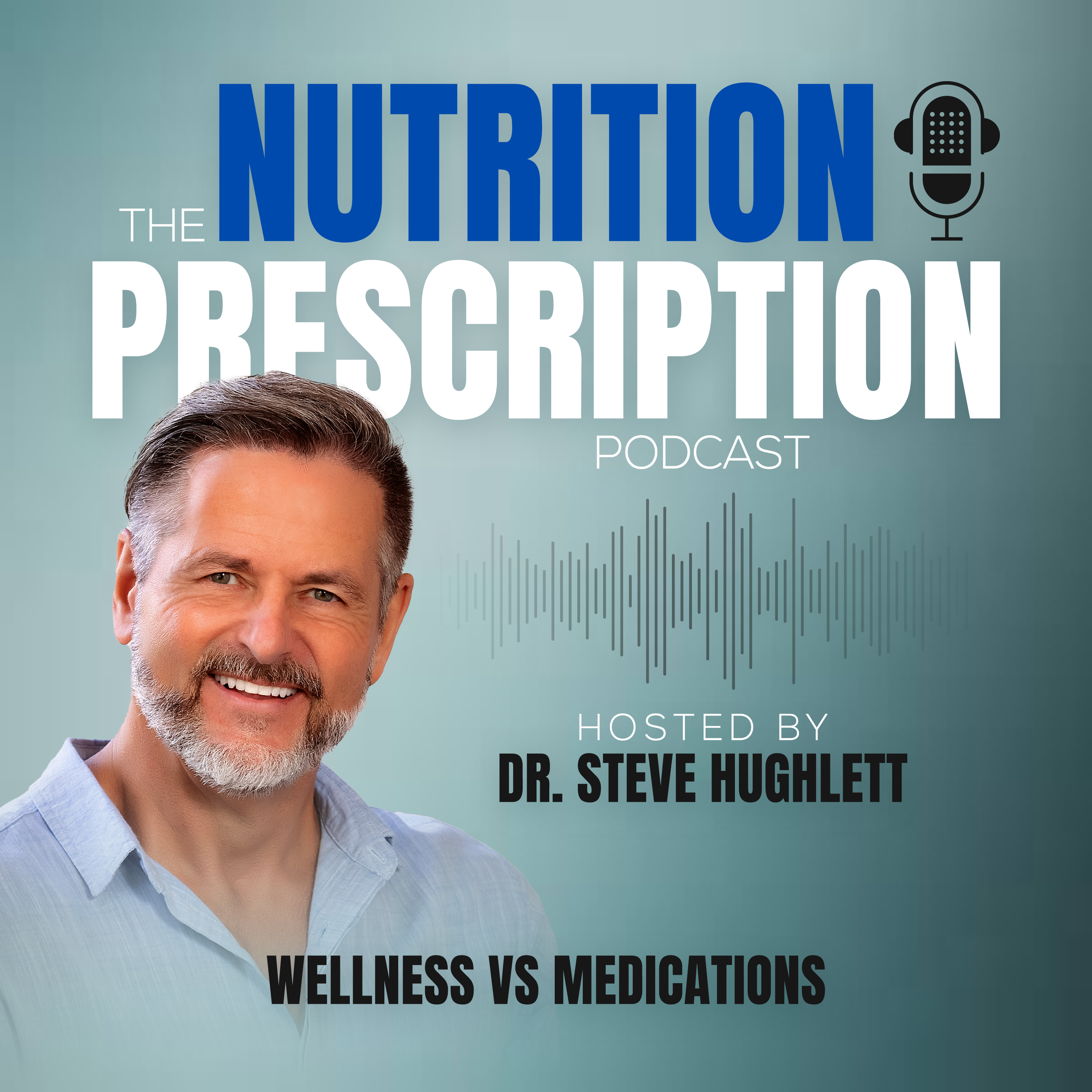
Nutrition Prescription: Wellness vs Medications  

Nutrition Prescription: Wellness vs Medications

Author: Dr. Steve Hughlett

Join us for practical tips, and inspiring success storiesall designed to help listeners unlock more energy, confidence, and lasting health through nutrition, not restrictive diets or expensive supplements. Whether you're overwhelmed by feeling stuck, interested in getting off medication, or looking for a balanced approach to eating, this show is your trusted guide for healthier habits and sustainable wellness. Hosted by Dr. Steve Hughlett, a Doctor of Pharmacy turned nutrition advocate, every episode explores the power of natural foods, simple lifestyle changes, and holistic health solutions that help people reduce or eliminate the need for medication. Tune in each week to learn how real food, holistic methods, and a brighter mindset can transform your healthone episode, one meal, and one simple choice at a time. This podcast is for you if you are searching for answers to questions such as: How to lose weight and keep it off? Is the keto diet right for me? Should I use a low carb diet? What foods are best for weight loss? What are the best exercises for weight loss? Why can't I lose weight? Which diet is the best one for me? Is cholesterol bad? Are statins safe? How can I get off my diabetes medication?
Be a guest on this podcast

Language: en

Genres: Health & Fitness, Medicine, Nutrition

Contact email: Get it

Feed URL: Get it

iTunes ID: Get it


Get all podcast data

Listen Now...

163: Toxins in Your Food Causing Sun Sensitivity pt 2
Episode 163
Sunday, 28 December, 2025

Many people think they are "just fair-skinned" or that the sun is the enemy, but sometimes the problem is actually toxins in the food they just ate. Dr. Steve breaks down how compounds called furanocoumarins in certain plants can react with sunlight and damage your skin, causing redness, blisters, and dark spots, even if you are not allergic.​ He explains the difference between a normal sunburn and phytophotodermatitis, a reaction where plant chemicals on or in your skin are activated by UV light and create reactive oxygen species that damage your cells. You will learn why your overall diet, your antioxidant status, and the strength of your cell membranes matter so much for how your skin handles sunlight.​ Dr. Steve also talks about why a meat- and animal-fat-based, low-carb, whole-food way of eating can make your skin more resilient, improve your energy, and reduce inflammation, while ultra-processed foods, seed oils, sugar, and excess plant toxins can do the opposite. He gives practical tips on what to avoid before going out in the sun, how to build up your sun tolerance slowly, and how to support your mitochondria so your body can use sunlight the way it was designed to.​ If you feel like you burn easily, are confused about sunscreen, or are trying to move from tired and inflamed to strong and energized, this episode will help you connect the dots between your plate, your skin, and the sun.​ Key Talking Points (Bullet Points) Quick recap of Part 1: how UV light penetrates the skin and why healthy cell membranes and antioxidants protect against damage.​ Saturated fat and cholesterol as vital building blocks for strong, stable skin cell membranes rather than "bad fats" to fear.​ What furanocoumarins are and where they come from (certain plants and plant foods).​ How these compounds absorb UV light and create reactive oxygen species (ROS) that damage DNA and proteins in skin cells.​ Signs of damage: inflammation, blistering, hyperpigmentation, and why it may not be a normal sunburn.​ Explanation of phytophotodermatitis: "Phyto" = plant, "photo" = light, "dermatitis" = skin inflammation.​ Why it is different from an allergic reaction and can happen the first time you are exposed.​ Factors that affect how bad the reaction is: How much of the plant toxin you ate or got on your skin.​ Intensity of the sunlight and time of day.​ How long you are in the sun and how healthy your skin cells are.​ Why this often shows up on vacations or trips to the beach, especially when people are less used to sun.​ Common wellness trends that can backfire: Celery juice cleanses, giant raw salads, heavy citrus use before sun exposure.​ How they can secretly load you with furanocoumarins and set you up to "burn."​ Practical steps to reduce sun sensitivity from food: Be aware of what you ate hours before going outside.​ Avoid lots of raw celery, parsnips, and heavy citrus before sun.​ Always wash hands well after preparing citrus (limes, lemons) or other suspect plants, especially if you will be in the sun.​ Remember that even a few drops of lime juice on the skin can cause a painful reaction in the sun.​ Strengthening your skin from the inside out: Focus on animal-based, meat- and fat-rich foods: collagen-rich meats, organ meats, quality animal fats, and mineral-rich salts.​ How these foods support strong cell membranes, provide vitamin E, zinc, and other nutrients that improve sun tolerance.​ Why carnivore and animal-based eaters often notice better skin quality and better sun tolerance.​ Hydration and electrolytes: Drink about half your ideal body weight in pounds as ounces of water per day.​ Increase water if you drink alcohol, sugar, or caffeine because they are dehydrating.​ Make sure to include electrolytes, not just plain water.​ Lifestyle pieces that support skin health: Quality sleep as the time your body repairs and detoxes.​ Avoiding inflammatory seed oils and ultra-processed "Franken foods" in boxes, bottles, bags, and cans.​ Limiting processed carbs and high-fructose corn syrup that drive inflammation and oxidative stress.​ Building sun tolerance safely: Start with short sun exposure without burning, then slowly increase time outside.​ Let your skin tan naturally through melanin production instead of jumping straight to long sun sessions.​ Why you may eventually tolerate sun without sunscreen if your nutrition and skin health are strong.​ Sunscreen discussion: Concerns about toxic chemicals in many sunscreens.​ The real problem often being damaged, poorly nourished skin and plant toxins, not the sun itself.​ Focus on not burning rather than avoiding all sun.​ Plants, antinutrients, and toxins: Plants use chemicals as defense systems against insects, animals, and humans.​ Some plant compounds interfere with digestion, hormones, and skin health.​ Antinutrients can bind minerals in the gut and keep you from absorbing them.​ Why you should be selective with vegetables, not fear them, but not make them the main course.​ Animal-based nutrition principles: Animal foods provide dense protein, healthy fats, cholesterol, vitamins, and minerals your body is built from.​ You are not built out of carbohydrates; glucose is meant for short bursts (fight or flight), not constant fuel.​ Benefits of including fatty fish like salmon at least once a week for omega-3s.​ Sun and circadian rhythm: Morning sunlight helps raise cortisol and wake you up.​ Evening darkness and fading light help trigger melatonin for sleep.​ Your body is designed to live in rhythm with the sun, not to fear it.​ Big-picture takeaways for listeners: Do not fear the sun; be cautious of man-made processed foods and certain plant toxins that damage your cells.​ Your skin is a mirror of what is happening inside your body. If you are inflamed on the outside, you are likely inflamed on the inside.​ Eat mostly animal-based whole foods, with small amounts of fruits and vegetables if desired, prepared in ways that reduce toxins.​ Make smarter choices before going outside, know what you ate, and protect your skin without being afraid of nature.​ "If this episode helped you, share it with a friend who burns easily in the sun and wants a more natural approach to skin health."​ "To join the Thrive Natural Transformation course and get step-by-step help reversing type 2 diabetes, boosting energy, and getting off medications, visit drstevehughlett.com and click the 'Work With Us' tab."   If you'd like even more information on this topic, you can go to Amazon or Audible and pick up my book, Your Plate Is Your Fate. Check out our website: drstevehughlett.com You can also check us out on Youtube. Sign up for a FREE 15 minute Wellness Solutions Chat  to help you decide if you would like our help on your weight-loss journey. For more in-depth answers on how to lose weight the healthy way, how to decrease the need for medications, and how to eliminate diseases like type 2 diabetes, sign up for our FREE weekly Thrive Naturally Newsletter released every Thursday   Disclaimer:  The information provided on this channel/podcast/publication is for educational and informational purposes only and is not intended as a substitute for advice from your physician or other qualified healthcare provider. Always consult your doctor before making any changes to your diet, exercise routine, or medications.   ​


We also recommend:


Transformation Insights Podcast
Fitness Transformation Secrets

Simplified With Sarah
Sarah Baker

MI VIDA CLEAN

Healthy Lifestyle
Bhavisha Changrani

Celery Talks
Ashley Houghton

The Health and Fitness Connector Podcast
Kelly Duggan

The Health Scientist Podcast
The Health Scientist

OWAO! Vegane Ernährung für Vielbeschäftigte
Svenja und Isabell

THE FOOD TALKS | Ernährung, Lifestyle & Osteoporose

Fresh Focus
Department of Veterans Affairs

nchw
Nitchawan Tangwiroon

AND, A Diet Soda
Savannah Regensburger, Jess Lederman