 |
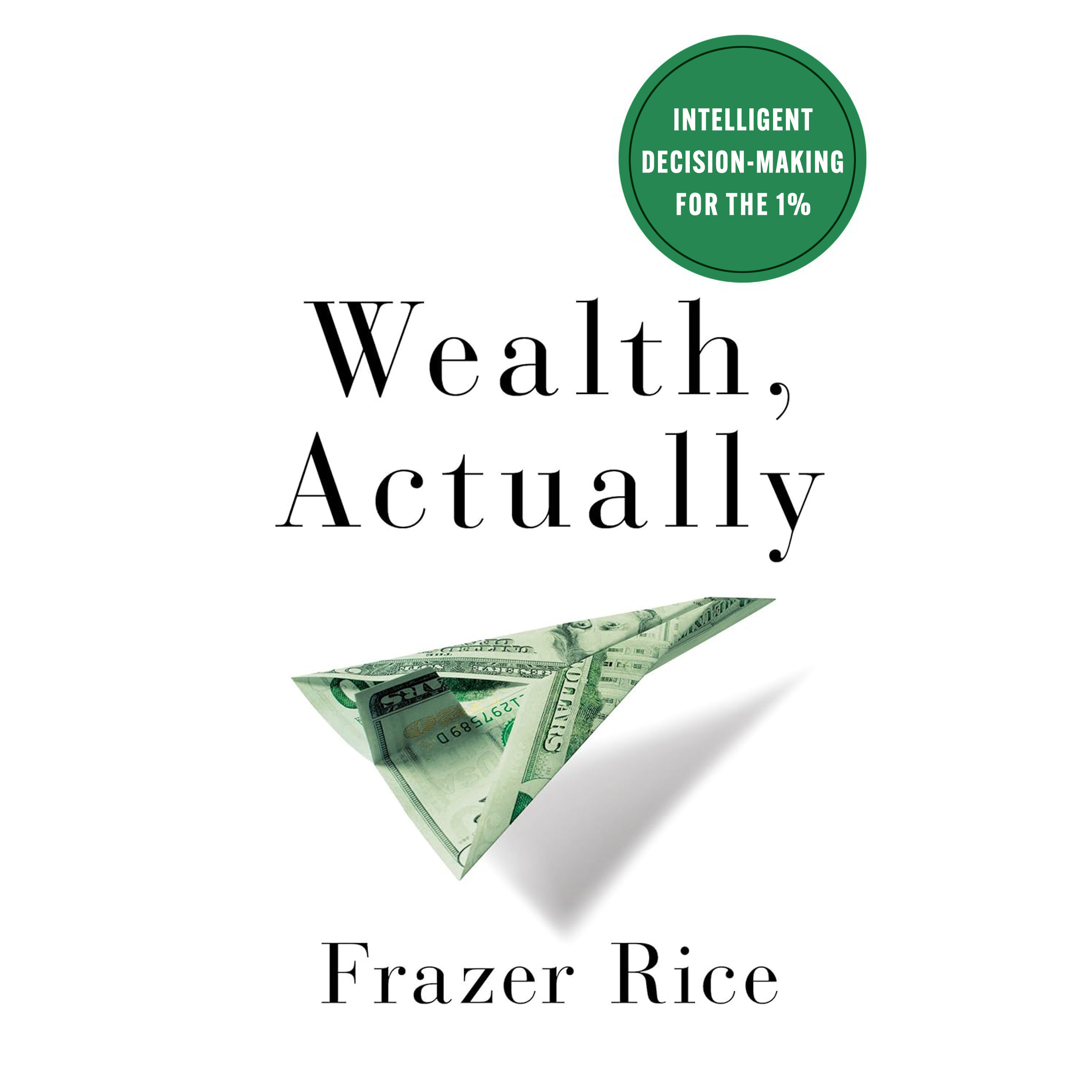
Wealth ActuallyAuthor: Frazer Rice
Covering the issues that affect business, entrepreneurship, wealth, trusteeship and culture. Language: en-us Genres: Business, Entrepreneurship, Investing Contact email: Get it Feed URL: Get it iTunes ID: Get it |
Listen Now...
Choosing a Trustee: Why Naming Your Kid May Be a Mistake — Marguerite Lorenz
Tuesday, 28 July, 2026
Choosing a Trustee: Why Naming Your Kid May Be a Mistake — Marguerite Lorenz Short answer: Naming your child as trustee, executor, or agent under your power of attorney is the default choice for most American families — and it is frequently the wrong one. In this episode of Wealth Actually, host Frazer Rice talks with California Licensed Professional Fiduciary and Master Certified Independent Trustee Marguerite Lorenz about why roughly two-thirds of American adults still have no estate plan, why the job of a trustee is far more intimate and technical than families expect, and how to decide between a family trustee, a bank or trust company, and an independent professional trustee. https://youtu.be/56bzuORe8YI Episode Overview: Who Will Actually Run Your Plan? Most estate planning conversations stop at the documents. Marguerite Lorenz argues the documents are the easy part. The hard part is staffing — deciding who steps in when you can no longer make new decisions, and whether that person can absorb the technical, financial, and emotional weight of the job. Lorenz has served as trustee, executor, agent under power of attorney for finance, and agent for health care for hundreds of families since 2003. She is the author of three books — Luck or Control? The Life-Improving Power of Estate Planning, How to Be a Successful 90-Year-Old, and the newly updated Ethics for Trustees 2.0 — and she is Vice-Chair of the Independent Trustee Alliance. Her framing line, and the one that should stick with every listener: “If you don’t get your estate plan done, you’re suing your family. You’re making them go to court. And who would want to make anyone else go to court?”— Marguerite Lorenz This is the second time Marguerite has joined the show. Her first appearance covered the mechanics of individual trusteeship: EP.75 — Individual Trusteeship with Marguerite Lorenz. Key Takeaways •Only about a third of American adults have any written estate plan — and Lorenz argues half of those plans would not actually function when needed. •Professionals are barely better than the public. When Lorenz polls rooms of attorneys, CPAs, and financial advisors, roughly one-third raise their hands for a complete, up-to-date, ready-to-go plan. •The trustee role is intimate, not administrative. A trustee sees your paperwork, your bills, your medications, and your bedroom. “Who is going to be the first person in your bedroom when you are no longer able to make new decisions?” •Incapacity, not death, is the long tail. Many people live for five or six years unable to make new decisions. The trustee’s job often runs during your lifetime, not just after it. •A professional trustee can be temporary. Lorenz recounts stepping in for a client during cancer treatment, providing a full accounting, and stepping back down when he recovered — then serving again after his death. Would your child step back down? •Estate planning is about preferences, not predictions. “Our power in estate planning is not prediction, it’s setting our preferences” — and preferences can only be set while you are competent. •Quality of life belongs in the plan. Not just tax, legal, and financial terms — but how you want to live, where you want to live, and what small things matter (for Lorenz, an international selection of dark chocolate). •Digital assets are now a core trustee problem. Phones, social accounts, and daily transactions all require someone with access and authority. •A will does nothing while you are alive. “The will doesn’t operate at all if you go to the hospital and you haven’t granted authority to anyone.” •Cost is usually overestimated. Both an estate plan and an independent professional trustee typically cost far less than probate court. •Revisit every five years. Calendar a five-year check-in with your attorney to review law changes, marriages, divorces, births, and deaths. Chapters and Timestamps •[00:00] Cold open: “If you don’t get your estate plan done, you’re suing your family.” •[00:32] Welcome back — introducing Marguerite Lorenz, California trustee and author •[01:14] Luck or Control? — why fear keeps families from finishing an estate plan •[02:22] What a full-time trustee actually sees: trustee, executor, agent for finance, agent for health care •[03:49] Why families default to naming a child — and where that breaks down •[05:00] The skill set nobody screens for: negotiation, calm, empathy, and grief •[05:40] Case study: serving as temporary trustee through a client’s cancer treatment — and stepping back down •[07:51] Why even attorneys need their own attorney: nobody is objective about their own circumstances •[09:09] The five-year estate plan check-in as a life milestone •[09:39] How to Be a Successful 90-Year-Old — living well to the very end •[10:20] The “black box” problem: privacy, dignity, and care in your own home •[11:54] Preferences over predictions — planning for your future vulnerable self •[13:40] Rewriting an advance health care directive after hundreds of hospital bedsides •[16:13] The statistics: only a third of adults — and only a third of professionals — are actually ready •[17:47] Frazer’s challenge to advisors: you can’t advise well if you aren’t practicing what you preach •[18:22] The first question in Luck or Control?: “Hey professional, do you have your estate plan done?” •[19:21] Ethics for Trustees 2.0 — what’s new in the updated audio and PDF edition •[20:27] Family trustee vs. bank trustee vs. independent professional trustee •[21:52] The looming crisis: the great wealth transfer, incapacity, and digital assets •[24:54] Documenting the “why” behind hard trustee decisions •[25:23] Probate courts overrun, bioethics committees, and next-of-kin defaults •[26:54] Where to find the books, the podcast, and the Independent Trustee Alliance directory About the Guest: Marguerite Lorenz, MCIT, CLPF Marguerite Lorenz is a California Licensed Professional Fiduciary (CLPF #319) and a Master Certified Independent Trustee (MCIT). She has served as Trustee, Executor, Agent for Finance, and Agent for Health Care for more than 200 families since 2003 as managing partner of Lorenz Private Trustees. Marguerite is Vice-Chair of the Board of the Independent Trustee Alliance, past Chair of the California Professional Fiduciaries Bureau Advisory Committee, and host of the Plan For This podcast. She is the author of Luck or Control? The Life-Improving Power of Estate Planning, How to Be a Successful 90-Year-Old, and Ethics for Trustees 2.0. About the Host: Frazer Rice Frazer Rice is the author of Wealth, Actually: Intelligent Decision-Making for the 1% and host of the Wealth Actually podcast, where he interviews experts, entrepreneurs, and commentators on preserving assets and enjoying wealth. Resources and Links Mentioned •PlanForThis.com — Marguerite’s books, the Plan For This podcast, and a free First Steps toolkit. Ethics for Trustees 2.0 is now exclusive to this site (audio + PDF bundled with purchase). •TrusteeAlliance.com — the Independent Trustee Alliance directory for locating certified independent trustees by state. •Marguerite Lorenz on LinkedIn •California Professional Fiduciaries Bureau — state licensing for professional fiduciaries •Related episode: EP.75 — Individual Trusteeship with Marguerite Lorenz •Related episode: What If You Are Named in a Will or Trust? Frequently Asked Questions Should I name my child as trustee? Not automatically. A child understands the family but may lack the technical skill to handle tax, legal, financial, and medical decisions — and may be grieving or in conflict with siblings at the exact moment judgment is required. Marguerite Lorenz notes that a trustee must be a good negotiator, stay calm under pressure, set aside personal feelings, and enforce rules the grantor set. She also raises a test most families never consider: if you recover, would your child voluntarily step back down and hand you a full accounting? What is the difference between a family trustee, a corporate trustee, and an independent trustee? A family trustee is a relative or friend serving in a personal capacity, usually unpaid and untrained. A corporate trustee is a bank or trust company with institutional infrastructure, minimum account sizes, and staff turnover. An independent professional trustee is a licensed or certified individual — like a California Licensed Professional Fiduciary — who serves full-time, carries a succession plan, and can often be engaged at a lower cost than families expect. The Independent Trustee Alliance maintains a national directory of independent trustees. What does a trustee actually do while I am still alive? A trustee acting during incapacity manages assets, accounts for every dollar, handles taxation, pays bills, coordinates care, and increasingly manages digital assets such as phone-based transactions and social media accounts. Lorenz emphasizes that many people live for five or six years unable to make new decisions, so the trustee’s lifetime role is often longer and more demanding than the post-death administration. How often should I update my estate plan? Roughly every five years, or sooner after a major life event such as marriage, divorce, birth, death, a liquidity event, or a change in tax law. Lorenz recommends putting a five-year reminder in your phone to call your attorney and ask what has changed in the law and in your life. What happens if I go to the hospital without an estate plan? The hospital and its bioethics committee will do the best they can and will look for next of kin to make decisions for you — potentially people with whom you have never discussed your personal wishes. A will does not help here, because a will only operates after death. Financial and health care powers of attorney are what grant someone authority while you are alive. Is an estate plan expensive? Usually less than people assume, and materially less than probate court. Lorenz makes the same point about professional trustees: “Independent individual professional trustees cost a lot less than you think also. And you need to ask, because this is your life we’re talking about.” Do financial professionals have their own estate plans? Often not. When Lorenz polls audiences of attorneys, CPAs, and financial advisors, only about a third report having a complete, up-to-date, ready-to-go plan — barely better than the general public. Her challenge to the profession is that clients will increasingly ask advisors directly: “Do you have your estate plan completed?” Pull Quotes “Our power in estate planning is not prediction, it’s really about setting our preferences.” “Who’s going to be the first person in your bedroom when you are no longer able to make new decisions?” “I’m not in charge. I’m a servant-manager.” “Once I get my estate plan done and updated, I don’t think about it anymore. My head space is so clear because everything I was worried about has been thought about, considered, allowed, and put down in writing.” Full Transcript Transcript lightly edited for clarity. Timestamps are approximate. [00:00] Marguerite Lorenz: You know, if you don’t get your estate plan done, you’re suing your family. You’re making them go to court, right? And who would want to make anyone else go to court? [00:08] Announcer: Welcome back to the Wealth Actually podcast, the show that features experts, entrepreneurs, and commentators that will give you the right knowledge, planning, and guidance so you can preserve your assets and enjoy your wealth. Learn more and subscribe today at wealthactually.com. This podcast is for educational and entertainment purposes. It is not investment, legal, nor tax advice and does not represent the opinion of the employers of the host or guests. [00:32] Frazer Rice: Welcome back. Friend of the podcast Marguerite Lorenz is on the podcast this week. She’s a California trustee and has a new book called Luck or Control? out. We’re going to talk a little bit about fiduciary matters and what it takes to have good staffing within your estate plan. Welcome back, Marguerite. [00:54] Marguerite Lorenz: Thank you, Frazer. [00:55] Frazer Rice: Since the last time you were on, you have a couple of books out and we’ve gotten to see each other a couple of times with the Independent Trustee Alliance. Let’s talk a little bit about the new book that you just published and what you’re trying to do with it. [01:14] Marguerite Lorenz: So that book is Luck or Control? The Life-Improving Power of Estate Planning. And I wrote it because I’ve seen hundreds and hundreds of families really struggle with how this is going to get done, and many people don’t get their estate plan done at all because they’re so afraid. They don’t know what to expect, they don’t want to talk about their mortality, they don’t want to have serious conversations with their loved ones. And if we don’t have those conversations, we really lose all control when we need it the most — when that medical crisis happens or when life changes in a big way. [01:52] Frazer Rice: No question about it. And I went through the book and it’s an important read, because for those people who really have to get their affairs in order and feel stuck for some reason, I think you do a good job of laying out why you need to get unstuck and then how to take a couple of steps to initiate those conversations and get the important things down so that you can then have the deeper conversations that help out later on as you’re structuring things. What part of your experience being a full-time trustee helped to inform all of this? [02:22] Marguerite Lorenz: Well, as a trustee professionally, I’ve met with lots of different families in lots of different circumstances. And for many of them they’ve named me, and so I’m serving in that role. It’s not just trustee; it’s trustee, executor, agent on the power of attorney for finance, and even as agent for health care. And so that’s a very intimate job. It’s a job where you end up seeing someone’s entire life, or as much as you can of another person — their paperwork, how they do things, how they pay their bills, how they live, what medications they take. It’s really very intimate. And I think a lot of us assume that our children know us and they’ll do what we want them to do. But the thing is that it’s very likely you haven’t lived with your children in the same household for decades. And now you’re asking them to come back, drop their life, and come in and be that person for you. Be the person who’s going to protect your privacy, be that person who’s going to protect the way you want to live. And they may disagree with the way you want to live. They may actually have issues with some of the choices that you’ve made or how you’ve proceeded. So now, in addition to having a medical challenge where you’re not able to make new decisions — maybe temporarily, maybe permanently — now you have someone who wants to run the show or actually be in charge. In my job as a professional trustee, I’m not in charge. I’m a servant-manager. I’m really taking the trustor’s wishes and how they’ve structured things and really looking at that to be sure that I can continue it as best I can with all the changes that have occurred. [03:49] Frazer Rice: One of the things we were talking about before we got on board, and something we’ve discussed generally through the Independent Trustee Alliance, is that people who are asked to serve in those roles usually are family members. And for people who are uninitiated in the field, that seems like an obvious choice, because they’re really trying to put somebody in there who understands the family. But as you and I know, they may not be necessarily qualified to deal with the technicalities of the different roles that we just discussed. But also, the idea of taking on the emotional toll of these new conditions can be something different and unapproachable for many people. [04:30] Marguerite Lorenz: Well, I think it helps to kind of look at some of those issues. So you might have more than one child. Even if you have an only child, these issues apply. And now you’ve been in the hospital and you’re expecting this person to deal with your tax, legal, financial, and medical decisions. This person has to be a good negotiator. This person has to be calm when there’s issues that arise, and they may have feelings — they may be grieving that things have changed for themselves and in their relationship with you. So I think to be really empathetic and to be really kind and compassionate, we have to get our own stuff in order so that we can really have a good experience for our last days. And again, some of these roles that I’ve served in have been temporary. Let me give you an example. I worked with a gentleman whose wife had passed away because of cancer. She had been gone about two years and he himself was diagnosed with cancer. So he already knew what that might be like, right? She had already had chemotherapy; he was right there with her through all of that experience. Well, now faced with it himself, he said, “In order for me to do this, I don’t have a partner. I need somebody who’s going to deal with the business of my life so that I can focus on my health.” He named me as his trustee. I became active. I reported to him because he was still able to receive those reports. He was certainly mentally able, but physically it was really hard. He was exhausted most of the time. And he was going to grief support for the loss of his wife and going to chemotherapy treatments. So you can imagine just how full his day was. So we’re into this two years. He met a woman at grief support. He was feeling better because the treatment worked, and he decided he wanted to travel the world before he died. And he married this woman, and they were very happy together. And he asked if he could be trustee again. So — I’m a professional trustee. It’s part of my duty to step back and step down when the trustor who wants to be trustee again wants that job back. So I gave him a full report, he had an accounting, he knew exactly what had happened during my term. He went on with his life, and then he passed away and I became trustee again. So I just wanted people to know that it could be temporary. It’s not necessarily a permanent job. Would your child step back down? [07:14] Frazer Rice: No question. Once in the role, sometimes it’s difficult to get out of it. But you did the right thing in terms of getting an accounting, making sure that your duties stopped when you were told to get off, and then when you were ready to come back on, that those sightlines are very clear. And that’s what comes with talking to a professional like you. You understand those parts so that you’re not having things bleed from one role into another and having liability issues or misunderstandings with the next generation. [07:51] Marguerite Lorenz: Right. And let’s talk about working with professionals from the beginning. We don’t know what we don’t know. And even attorneys need to go to an attorney to get their estate plan done. There may be attorneys who disagree with that, but none of us can be truly objective about our own circumstance. And we need someone who’s going to ask us some tough questions and really help us figure out: what is our intention? How do we feel about this? What’s important to us? So, getting my own estate plan done — I was a single mom in a new profession. I had just become a fiduciary and I had just learned about estate planning. I was learning so much at that time and realized, every time I drive on the freeway, I’m risking my children’s future. I’m their only parent. What can I do about that? So estate planning isn’t just about money, and it isn’t just about death. It’s also about taking an inventory. What do I have? What have I accomplished? Who do I love? What do I really care about? And once we get to have those kinds of conversations, our whole perspective on life improves. And I’ve used my own estate plan, every time I’ve gone to update it, as sort of a milestone check — where am I now? [09:09] Frazer Rice: Maybe the standard procedure is every five years to check in and make sure that life has not advanced as far as divorce, deaths, new kids, marriages, things like that, to make sure that the plan is in place. And it’s a great milestone to reflect on things. And then, as we move up the ladder wealth-wise, if there are changes in tax laws and things like that, it’s important to make sure that the plan understands that change and is able to accommodate what’s going on on that front. Let’s take that as a segue. You have another book that you came out with, How to Be a 90-Year-Old — or a well-functioning 90-year-old. [09:36] Marguerite Lorenz: How to Be a Successful 90-Year-Old. [09:39] Frazer Rice: More than well-functioning — actually successful. How to Be a Successful 90-Year-Old. I have not read that yet, so tell us a little bit about what’s going on there. [09:47] Marguerite Lorenz: Well, I want everyone to have that blue ribbon feeling at the end of their lives. And I picked 90 because I have had clients that have reached a grand old age of over 100. My last client passed at 105. So it is possible to live well until the very end. And I’ve been working with people for over 20 years that are much older than me, who have lots of wisdom and experience to share. Their stories are important. So for people that are serving as trustee — whether you’re a family member trustee or you’re a professional — this book might be helpful, because I actually talk about the relationships with those clients. And I also talk about some things we could do now so that life is simpler, better, and more comfortable when we might need some help. And that’s another barrier that a lot of us have. We have this barrier to having someone come into our home and help us. Our home is our sanctuary, it’s our private space. But I want everyone who’s listening right now to just think about it: who’s going to be the first person in your bedroom when you are no longer able to make new decisions? And do you want that person to see everything that might be in your bedroom? Many, many adults have what I call a black box. We have something that’s private that really, really we keep to ourselves. But everything gets exposed once you are not able to care for yourself. So then what? Well, many people want to stay in their home no matter what, as long as possible. So imagine, if you will — some of my clients have lived in the same home for 30, 40, 50 years. And now they have to get care. Can we arrange to have that care in their home? So this exploration is really about living well to the very end. There are some really great tips, things I’ve learned from my 90-plus-year-old clients that I’ve employed and deployed for myself. [11:23] Frazer Rice: Just as an example there — I’m a ripe old age of 53 shortly. The idea of getting things in place while you’re at the peak of your powers, and you don’t have the difficult decision of having the car keys taken from you, or being in a home that isn’t appropriate for you anymore, meaning you don’t have the necessary safeguards for showers and stairs and things like that. Do you get into that, as far as trying to look five years ahead to make sure that the things that you can do now in a more comfortable environment take place before maybe the emergency happens and then all of a sudden we say, “Oh my gosh, we’ve got to do a complete overhaul here”? [11:54] Marguerite Lorenz: Well, as you know, Frazer, our power in estate planning is not prediction, it’s really about setting our preferences. And if we don’t do that while we feel good, while we’re competent, while we’re thinking clearly, we don’t get a chance to express that or do that once we’ve lost our competence. So this is really important — that I’m thinking about my future vulnerable self. I’ll give you a small example for me personally: dark chocolate is part of my life. I like having an international selection of dark chocolate and I don’t want the same kind every day. I feel the nuances and the taste and the flavors; it’s important to me. For some people that might be wine, for other people it might be fine literature. It really depends on what you’re into. Well, our estate plan can be just about tax, legal, and financial stuff, but it really should be more. It should be about our quality of life. And that’s really what I’m instructing and what I’m talking about in a very warm, personal way in How to Be a Successful 90-Year-Old. And even in Luck or Control?, I want people to understand the function of the documents. So we talk about the documents and what they’re supposed to do to assist your person. But you have to have a person. And you might choose to have a trust company or a bank serve as your trustee, you might have a family member, you might have an individual like me — an independent trustee. You can find more independent trustees at the Independent Trustee Alliance. But the point is: how do I want to live? Who do I want to have help me? What does that help look like? Well, you might not know all the answers right now, but if you begin now, your eyes open to different possibilities. I’ll give you an example: I have visited lots of hospitals. I’ve been to people’s bedsides many, many times. I’ve learned that there are certain procedures I’m just not willing to go through. So in my mind I had to update my advance health care directive to basically say: this shell that I’m in, the case I walk around in, the machine that I live in, needs to be kept alive long enough so that my boys can say goodbye. And that’s not for me, that’s for them. But I don’t want it to go on interminably. [15:00] Marguerite Lorenz: So I’m pretty specific in my documents about what I want. So I’m hoping to help people have a little perspective — use that energy you have, use the power that you have right now to make decisions for yourself, and allow yourself the opportunity to update your estate planning documents from time to time, so that what you learn goes into your documents, and what you decide and what your intention is, is clear. [15:23] Frazer Rice: One of those points that you bring up that I think is important is that you can be a really good user of professional services with some forethought. To muse a little bit about what the end of life looks like is somewhat an unpleasant thought, if you feel like you’ve got less than your full faculties and that ends up being your future. But thinking about that and putting some planning around it, and real ideas about what you want others to take away from your end of life, in many ways I think is a great way to really get the documents put in place and reduce tension and questioning later, and any ambiguity that there might have been ahead of time. [16:13] Marguerite Lorenz: Well, that’s the thing too that we don’t necessarily consider when we avoid estate planning. And I’m talking to all the professionals who listen to you, Frazer. The percentage of professionals who have their estate plans completed might be just a little bit more than the average person, but only a third of American adults have any kind of written plan — and I would argue that half of them are not really going to work. And when I speak to professional groups — attorneys, CPAs, financial advisors and so on — I get that same raise of hands: only about a third of them have a complete, up-to-date, ready-to-go estate plan. Why do I need it ready to go? Because I don’t know what’s going to happen or when. So yes, it is hard to contemplate the end of our lives; it’s not something we want to think about. But how do you stop thinking about it? How do you stop worrying about it? You do everything you can about it right now, and then you set it aside. And our cell phones are so powerful that I can put in my calendar five years from now to call my attorney and ask if anything’s changed in the law, and to consider then if I need to think about anything that might have changed in my life that I want to update. So once I get my estate plan done and updated, I don’t think about it anymore. I’m so relieved. My head space is so clear, because everything I was worried about has been thought about, considered, allowed, and put down in writing. And now I don’t worry anymore. [17:47] Frazer Rice: I scolded a group of financial professionals I was giving a talk to. I asked probably a similar question, which was: how many of you have your estate plan documents up to date? And they all shot up, out of shame. I said, “How many of you have looked at them within the last two years?” And then that shot down to about a third, maybe less. I just said, “Shame on you.” People are looking to you for help on these things and you’re not leading by example. And so — point taken, and not just the trusts and estates lawyers, but for everybody else around the ecosystem. To not go through that exercise yourself — you can’t possibly advise correctly if you’re not practicing what you’re preaching. [18:22] Marguerite Lorenz: Well, here’s my challenge, and here’s my challenge to every professional in our mutual space: bank trust officers, administrators, paralegals, everybody. In Luck or Control? and on planforthis.com, which is where you can find my books and get a free First Steps toolkit, the first question is, “Hey professional, do you have your estate plan done?” It’s the first question. Why? Because I want to be sure I’m dealing with somebody who has some empathy for the emotional decisions I’m going to have to make. I want someone on my team that understands what this feels like — not just the wise, tax-smart decisions that they made. It’s a whole package. And so I’m putting it out there and I’m saying: I’m challenging everyone in our mutual space. Make sure you have your estate plan done, because more and more clients are going to be asking you, “Do you have your estate plan completed?” [19:21] Frazer Rice: So then let’s talk about your third book, which is sort of an update — and we talked about it in the previous podcast that we did a while ago, and I’ll have that in there — which is Ethics for Trustees. What’s in the update? I know it’s now in an audio version, which I haven’t sampled yet but I’m sure it’s really good. What’s new now versus when it first came out? [19:54] Marguerite Lorenz: So I’ve simplified it a bit, because I recognize that each of us can look up the probate code for the state that we live in, and it was really much more of a California-specific book. Look, I’m a California Licensed Professional Fiduciary and I’m also a Master Certified Independent Trustee. So having the audiobook, and also having it in PDF form, I think is very helpful for people so they can make notes, take a certain page with them. And the book now is exclusively available at planforthis.com. And when you purchase it, you’re getting both the audio and the PDF version. [20:27] Frazer Rice: Cool. Well, we’ll make sure that’s in the show notes. Let’s take the last little bit of time we have here and talk about the decision to have an individual trustee — and by individual, I mean family trustee — versus a more professional trustee, whether it’s an individual or a bank trustee. You and I sort of nod our heads in agreement every time we talk on this topic, and I’ve done podcasts with others where I feel this looming crisis is coming, where people put all these documents together in trusts and then they staff them with people who may be initially qualified, barely, but then six months after the ink is dried, their interest wanes, their technical capability wanes, life intervenes, something different happens — and the problems just multiply at that point. I guess my big question is — and from the Independent Trustee Alliance, where there is a group of people who can operate as a trustee without having to go to a bank — how bad do you think this problem could get? We have this great wealth transfer and we have a lot of assets shifting, not just from the ultra-high-net-worth but regular people shifting to the next generation, with people at the wheel of these structures that I don’t think really understand what’s going on. How bad could this get? [21:52] Marguerite Lorenz: In my view, we’re not just dealing with a transfer of wealth — because that’s where a lot of people focus. Where’s the money going, right? It’s going from one generation who died and then the money’s going to the next generation. But in that interim — and by the way, many people live for years unable to make new decisions for themselves. So it’s during their lifetime that they might need their trustee to step in, not just after they die. And that’s really important to consider: that you might need someone for five or six years when you need someone to make decisions. What kind of decisions? You have digital assets, you have your social media accounts, you might be doing transactions on your phone all day every day — but someone else will need to get into your phone to actually do those things, maybe. Is that somebody you want from your family to do that for you? Maybe you still say yes. But that family member has to have the ability to enforce the rules that you’ve set in your trust. They need to communicate really well with other people. And they have to set aside their own feelings. They have to put you first. And that’s a big challenge. So when you think about the word fiduciary — and I know that the financial industry has used the word a lot — the technical aspect of that is that I’m putting my needs aside and putting that trustor, that person who created the trust, their needs first. Then I also have to consider their beneficiaries and the future of those beneficiaries. So I’m dealing with transactions and having to account for every single penny of where the funds are now and where they’re going, what the assets are, what the character of those assets are. I have to deal with all the taxation that goes with that. I have to manage those assets. So that’s one set of skills, right? But then there’s the softer skills about communicating with other people and understanding their doubts and their concerns, and not taking that personally, and putting things in writing. So this is a big job. It’s not the simple job that it might have been at one point, where someone just wrote a will on their cocktail napkin and said, “Okay, I’m leaving you all my money.” The will doesn’t operate at all if you go to the hospital and you haven’t granted authority to anyone to be that person for you, to go to your house, get you some clean underwear and socks and bring it to the hospital for you. So I think we have to look at our lives as more complex. It’s not just driving a car; it’s deciding where that car goes, and if the car is maintained, and is the car clean, and can we have other people in the car with you? There are just so many decisions that I’ve had to make for other people that I don’t take any of this lightly — and nor should anyone who’s writing their estate plan. You need that attorney to ask you those questions and walk you through your day-to-day, so you can keep your day-to-day as long as possible. [24:54] Frazer Rice: Well, the other part too is the people who assume those roles — and I’ve been in it too — when you are asked to make tough choices, sometimes you have to make tough choices that favor one person over another, and you may be called to account for that. And the idea of keeping diligent records and writing — in a sense putting down the reasoning behind what you’re doing and making sure that everyone, to the extent it’s possible, understands the why of what’s happening — I think that is going to help people really save themselves some issues going forward when those tough choices have to be made. [25:23] Marguerite Lorenz: You know, if you don’t get your estate plan done, you’re suing your family. [25:27] Frazer Rice: Ah — good way to put it. [25:29] Marguerite Lorenz: You’re making them go to court, right? And who would want to make anyone else go to court? I mean, it’s just such a sad thing. And by the way, our courts are overrun with people that did no planning. And none of it happens quickly. So if you end up hospitalized and you haven’t selected a person, then the hospital and their bioethics committee is going to do the best they can. They’re going to ask for next of kin to make decisions for you — people that you may never have discussed your personal life with now have to be making decisions for you. So I’m asking people to be a little more proactive. I know you’re busy. I know it costs money to get an estate plan — probably less than you think, and certainly less than probate court would cost. A lot less than probate court would cost. Independent individual professional trustees cost a lot less than you think also. And you need to ask, because this is your life we’re talking about. I’m good. I have my plan, I keep up to date with my successors. I have a succession plan that’s worked beautifully. I’ve tested it. I know. And that’s why I can be so calm and so confident everywhere I go in my life. I’m feeling so good and so happy. Well, I want that for everyone. I want everyone to have that calm, true confidence that comes with knowing you’ve done everything you possibly can for yourself and the people you love. [26:54] Frazer Rice: Terrific. Marguerite, how do people get the books? How do people find you and your podcast, the Independent Trustee Alliance, and any other points of contact? [27:04] Marguerite Lorenz: Great, thank you. So planforthis.com is where you can find the books, where you can find me. We do have a podcast that has some wonderful discussions, case studies, and other topics to help people better understand the choices that they have. The Independent Trustee Alliance has a wonderful directory to find all kinds of professionals, but especially independent trustees, and you can find that at trusteealliance.com. And I’m going to be out there — I’m on LinkedIn. Come find me, connect with me. And Frazer, once again, thank you so much for the opportunity to visit with you. [27:40] Frazer Rice: Oh, it’s always great to get your expertise. And you bring a great sense of empathy to what can be a very technical and dollar-driven process. And I think the empathy, when it gets avoided or missed, there’s something really lost. So I really value your perspective on it. Thank you so much. [28:00] Announcer: This podcast is for educational and entertainment purposes. It is not investment, legal, nor tax advice and does not represent the opinions of the employers of the host or guest. Subscribe to Wealth Actually on Apple Podcasts, Spotify, Youtube or wherever you listen — and if this episode was useful, share it with the person you have named in your documents. https://www.amazon.com/Wealth-Actually-Intelligent-Decision-Making-1-ebook/dp/B07FPQJJQT/