allfeeds.ai


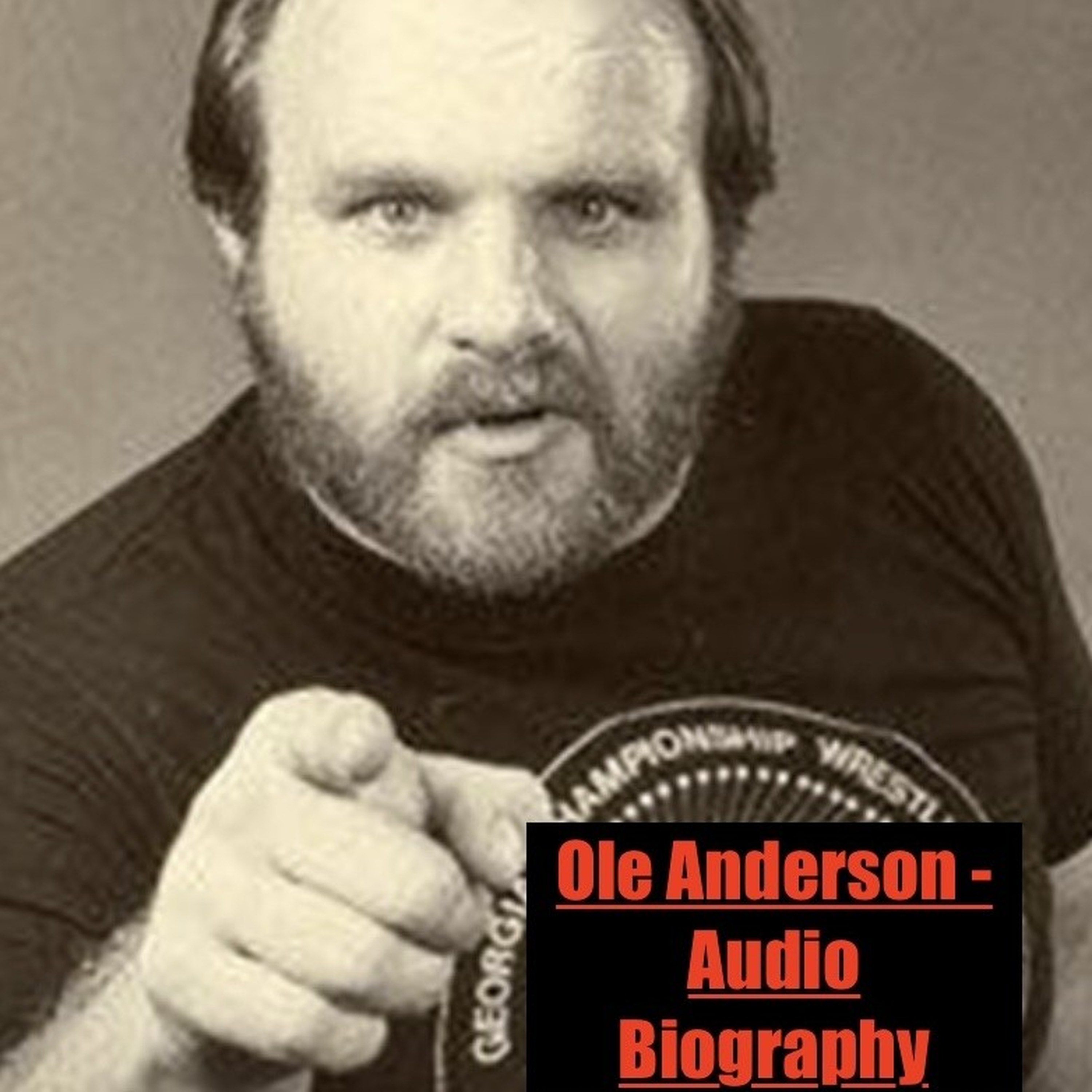
Ole Anderson - Audio Biography  

Ole Anderson - Audio Biography

Ole Anderson: A Wrestlers Journey Through Rebellion and Legacy From Minnesota roots to a rebellious spirit, Alan Robert Rogowski, better known as Ole Anderson, carved a unique path in the world of professional wrestling. Born in 1942, Anderson's...

Author: Inception Point Ai

Ole Anderson: A Wrestlers Journey Through Rebellion and Legacy From Minnesota roots to a rebellious spirit, Alan Robert Rogowski, better known as Ole Anderson, carved a unique path in the world of professional wrestling. Born in 1942, Anderson's career spanned over two decades, leaving an indelible mark on the industry as a wrestler, manager, promoter, and booker. Early Career and Family Ties: Anderson entered the wrestling world in 1967 under the ring name Rock Rogowski. In 1968, he joined his "kayfabe" (scripted) brothers Gene and Lars Anderson, forming the legendary Minnesota Wrecking Crew. This tag team became a mainstay in Jim Crockett Promotions, known for their brawling style and fierce competitiveness. While Lars eventually moved on, Gene and Ole remained a formidable duo, capturing the NWA World Tag Team Championship eight times throughout their career. Breaking with Tradition: In the late 1970s, Anderson began to distinguish himself from his brother and the traditional wrestling landscape. He adopted the ring name Ole Anderson and cultivated the persona of a brash, outspoken individual with a thick Minnesota accent. This character, while often depicted as a villain ("heel"), resonated with audiences due to its departure from the more reserved and heroic archetypes prevalent at the time. The Four Horsemen and Beyond: In 1986, Anderson made wrestling history as a founding member of The Four Horsemen. This iconic stable, alongside Ric Flair, Tully Blanchard, and Arn Anderson (his "kayfabe" cousin), revolutionized the industry with its focus on technical wrestling and behind-the-scenes machinations. While Anderson's in-ring career was nearing its end, his presence as a manager and strategist proved crucial to the group's success. Retirement and Legacy: Anderson officially retired from wrestling in 1988 but reappeared briefly as a Horseman member and later transitioned into management roles. He also dabbled in promoting and booking, demonstrating his versatilit
Be a guest on this podcast

Language: en

Genres: Entertainment News, News, Sports, Wrestling

Contact email: Get it

Feed URL: Get it

iTunes ID: Get it


Get all podcast data

Listen Now...

Ole Anderson - Audio Biography
Tuesday, 27 February, 2024

Ole Anderson: A Wrestlers Journey Through Rebellion and Legacy From Minnesota roots to a rebellious spirit, Alan Robert Rogowski, better known as Ole Anderson, carved a unique path in the world of professional wrestling. Born in 1942, Anderson's career spanned over two decades, leaving an indelible mark on the industry as a wrestler, manager, promoter, and booker. Early Career and Family Ties: Anderson entered the wrestling world in 1967 under the ring name Rock Rogowski. In 1968, he joined his "kayfabe" (scripted) brothers Gene and Lars Anderson, forming the legendary Minnesota Wrecking Crew. This tag team became a mainstay in Jim Crockett Promotions, known for their brawling style and fierce competitiveness. While Lars eventually moved on, Gene and Ole remained a formidable duo, capturing the NWA World Tag Team Championship eight times throughout their career. Breaking with Tradition: In the late 1970s, Anderson began to distinguish himself from his brother and the traditional wrestling landscape. He adopted the ring name Ole Anderson and cultivated the persona of a brash, outspoken individual with a thick Minnesota accent. This character, while often depicted as a villain ("heel"), resonated with audiences due to its departure from the more reserved and heroic archetypes prevalent at the time. The Four Horsemen and Beyond: In 1986, Anderson made wrestling history as a founding member of The Four Horsemen. This iconic stable, alongside Ric Flair, Tully Blanchard, and Arn Anderson (his "kayfabe" cousin), revolutionized the industry with its focus on technical wrestling and behind-the-scenes machinations. While Anderson's in-ring career was nearing its end, his presence as a manager and strategist proved crucial to the group's success. Retirement and Legacy: Anderson officially retired from wrestling in 1988 but reappeared briefly as a Horseman member and later transitioned into management roles. He also dabbled in promoting and booking, demonstrating his versatility and dedication to the wrestling business. In 2024, Anderson passed away, leaving behind a legacy as a pioneer who helped usher in a new era of wrestling with his outspoken character and willingness to challenge traditional norms. He is remembered not only for his accomplishments in the ring but also for his impact on the evolution of the wrestling industry. Beyond the Ring: Outside the ring, Anderson was known for his sharp wit and business acumen. He was also an outspoken advocate for wrestlers' rights, challenging the monopolistic practices of some wrestling organizations. Ole Anderson's life and career offer a compelling story of an individual who carved his own path in a world often bound by tradition. He leaves behind a legacy of innovation, rebellion, and dedication that continues to inspire wrestlers and fans alike. This content was created in partnership and with the help of Artificial Intelligence AI.


We also recommend:


Podmania
Adiz Umar

The Babyfaces of Wrestling
MFM Podcast Network

Knuckleheads MMA Podcast
Timothy Watson

The Clean Sheet Podcast
Twenty-Seven BLX Original

Armbar Audio
Armbar Audio

The Wrestling Review Podcast
Tyler

Gemn
James

Review of Honor
Bill Yankowy

Mat Static
Tom McAteer, Alexander Wolsky

WRESTLING SOUP
Wrestling Soup Network

What's Next
Yuri Martinelli, Angelo Morena e Manuel Ish

Smaht Marks
Mass Music Radio